


By Los Angeles County Politics
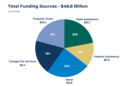
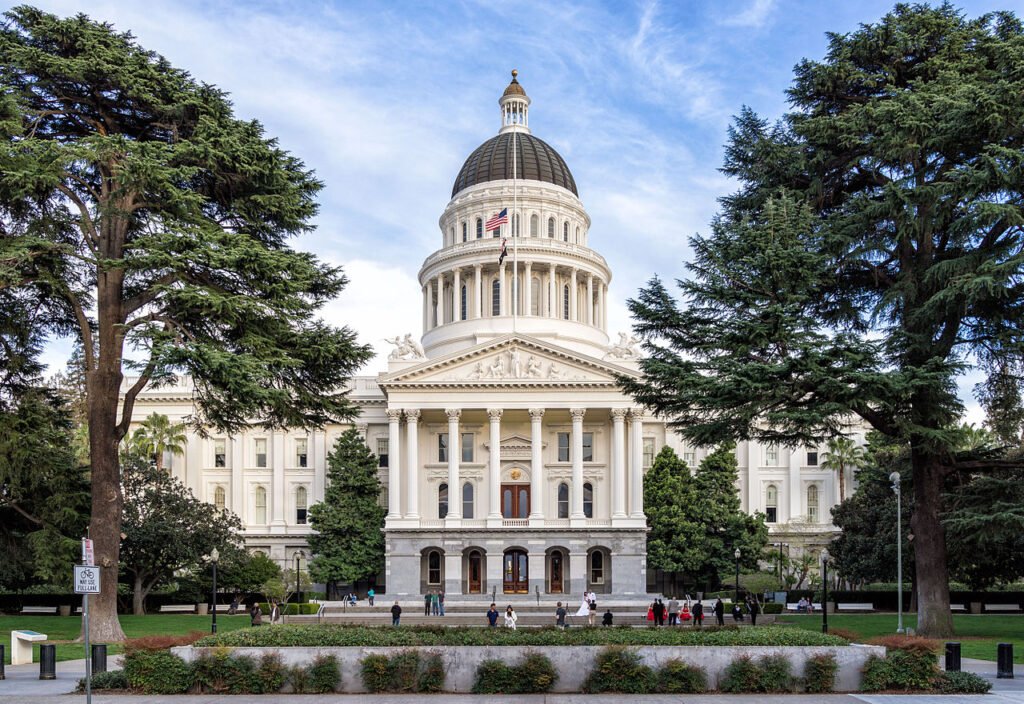
Gov. Gavin Newsom yesterday signed California’s 2026-27 state budget, a $351.7 billion spending plan that the administration says carries no deficit this year or next, while preserving nearly $30 billion in reserves.
The figure marks roughly a 1.4% increase over the $347 billion the state spent in 2025-26, according to legislative budget analysts.

“This budget reflects years of disciplined decisions that built historic reserves, paid down debt, strengthened our economy, and made transformational investments in education, healthcare, housing, infrastructure, and opportunity,” said Newsom. “We’re leaving California stronger than we found it — and leaving the next generation a state that’s fiscally sound, economically dominant, and ready for whatever comes next.”
The budget sets aside more than $6 billion in a holding account so that 2027-28 is also projected to balance, even though the state constitution only requires an annually balanced budget. It is not a formal two-year budget, but the administration is treating the multiyear planning as a signature achievement heading into Newsom’s final stretch as governor, with the term ending in January 2027.
Working with Senate President Pro Tempore Monique Limón and Assembly Speaker Robert Rivas, Newsom also signed the Save for California’s Future Act, placing a constitutional amendment before voters that would expand and modernize the state’s rainy day fund and give the state more flexibility to pay down long-term liabilities, including unemployment insurance debt.
Key provisions include the largest single-year special education investment in state history, $2.4 billion in new ongoing funding, a 43% increase. The budget also includes $300 million aimed at lowering health care costs and preserving $0 monthly health plans for many lower-income residents, intended partly to offset the loss of enhanced federal Affordable Care Act subsidies.
Small businesses organized as LLCs would see a 50% tax cut over the next three years, while the largest corporations would face new limits on stacking tax credits.
On housing, the budget cuts local fees that drive up affordable housing costs and restructures the state housing finance system, changes that the administration says could save tens of thousands of dollars per affordable unit. It also creates a $100 million Disaster Rebuilding Fund for homeowners whose insurance falls short after wildfires and other disasters.
Election administration gets $29 million for county staffing and counting technology, plus nearly $6 million combined for voter outreach at the state and county level and $750,000 to combat election misinformation.
Republican lawmakers raised objections during the process. State Sen. Tony Strickland, whose 36th District spans southeast Los Angeles County and northern Orange County, criticized the rainy day fund amendment for not requiring excess revenue to first pay down the state’s roughly $22 billion unemployment insurance debt, calling it a missed opportunity.
The signing follows months of negotiation shaped partly by a surge in income tax collections tied to stock market gains in artificial intelligence companies, which helped turn an early forecast of a $12.6 billion deficit into a projected $4.5 billion surplus by the time lawmakers finalized the deal in late June.
The budget takes effect for the fiscal year beginning July 1, with the related implementing bills expected to clear the Legislature this week.