


Hahn moves to stockpile air purifiers after Boyle Heights blaze

Los Angeles County Supervisor Janice Hahn (D – San Pedro, Long Beach, Compton, Carson, Lakewood, Hawaiian Gardens, Cerritos) has asked the county to study creating an emergency stockpile of air purifiers and other critical supplies after the ongoing Lineage Logistics warehouse fire in Boyle Heights exposed how slowly local governments can mobilize resources during a fast-moving crisis.
The fire broke out on June 17 at the 491,000-square-foot cold storage facility and has burned for more than a week, prompting Mayor Karen Bass and Governor Gavin Newsom to both declare states of emergency. The blaze, believed to have ignited near a rooftop solar array, has sent smoke across large swaths of Los Angeles, triggering air quality concerns severe enough that the Los Angeles Unified School District relocated students from nearby schools.
County departments have been distributing air purifiers and protective masks to residents affected by the smoke and particulate pollution, but Hahn said the response also revealed how difficult it can be for cities to quickly secure those supplies on their own.
“Even as our firefighters continue battling this uniquely challenging warehouse fire, we have to be thinking about the next emergency,” said Hahn. “County workers moved quickly to get air purifiers and masks into the hands of residents impacted by this fire, and I’m grateful for that response. But whether it’s a major fire, a hazardous materials incident, or another disaster, we know future emergencies are inevitable. We should take the lessons from this response and explore whether maintaining a stockpile of air purifiers, masks, and other critical supplies would help us protect residents and respond even faster when the next crisis occurs.”
Hahn said she has heard directly from city leaders across Southeast Los Angeles County who struggled to obtain emergency supplies quickly during the fire, even though cities can ultimately acquire the resources on their own.
A report on the feasibility of a countywide stockpile is expected to come back to the Board of Supervisors within 30 days.
Barger honors retiring DCFS Director Brandon Nichols

Los Angeles County Supervisor Kathryn Barger (R – Palmdale, Lancaster, Santa Clarita, San Marino, Pasadena, La Cañada Flintridge, portions of the San Gabriel Valley) presented a commemorative scroll to Department of Children and Family Services Director Brandon Nichols this week, honoring his 27-year public service career as he prepares to retire from leading the nation’s largest child welfare agency.
Barger praised Nichols for steering the department through repeated crises and periods of public scrutiny while maintaining transparency and focusing on the county’s most vulnerable children and families. Nichols was known throughout his tenure for visiting regional offices directly, including in the Antelope Valley, and listening to frontline social workers about the tools and resources they needed to do their jobs effectively.
“Leading the largest child welfare agency in the nation is an immense responsibility,” said Barger. “It requires clarity, compassion, and the ability to bring people together while facing challenging circumstances. Brandon delivered that — and more. In moments when our County faced pressure, crisis, or intense public scrutiny, he remained transparent and committed to getting it right. He led with heart, humility, and a commitment to the well-being of our most vulnerable children and families. He will be missed.”
Barger noted that Nichols’ commitment extended beyond his official duties — he was a regular supporter of DCFS volunteer efforts and helped secure donated bicycles for Barger’s annual Foster Youth Holiday Party at Magic Mountain.
Valladares’ bill modernizing county clerk records signed into law

State Sen. Suzette Martinez Valladares(R – Santa Clarita, Palmdale, Lancaster) announced this week that her legislation modernizing how county clerks certify official documents has been signed into law, closing a long-standing gap between county clerks and county recorders in how records can be authenticated.
Senate Bill 1080 authorizes county clerks statewide to use electronic, digital, and facsimile signatures and seals when certifying official records — a power county recorders had already held for years. Previously, clerks were required to rely on physical wet-ink signatures and wet seals even when secure electronic alternatives existed, a slower and more labor-intensive process.
“Good government means efficient government,” said Valladares. “Californians should not have to navigate an outdated, paper-based bureaucracy when secure, modern alternatives exist. SB 1080 is a common-sense modernization that saves time, cuts red tape, and makes government work better for the people it serves.”
Valladares emphasized the bill carries no new costs or bureaucracy, but does create a more efficient system that respects people’s time and makes it easier to access the services they need.
The bill was one of four signed into law June 17 by State Senate President pro Tempore Monique Limón, who was serving as Acting Governor that day while Governor Newsom was out of state.
Gabriel proposes constitutional amendment to strengthen California’s rainy day fund

Assemblymember Jesse Gabriel (D, Encino, Lake Balboa, Van Nuys), Chair of the Assembly Budget Committee, announced Assembly Constitutional Amendment 20, the Save For California’s Future Act, which would raise the cap on the state’s rainy day fund to better insulate California’s budget from future economic shocks.
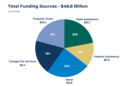
The proposal arrives as Los Angeles County and the state both grapple with deepening structural budget pressure — LA County adopted a $50.3 billion final budget this week amid a worsening fund balance position, while Sacramento continues to navigate its own revenue volatility tied to federal funding reductions.
Gabriel’s amendment would not address the current fiscal year directly but is designed to prevent the kind of reserve shortfalls now straining county and state budgets alike from recurring in future downturns.
“Even as we navigate our current budget challenges, we must take steps to build a stronger financial foundation for future generations,” said Gabriel. “By strengthening California’s Rainy Day Fund, we can protect funding for schools and essential public services, better weather future economic downturns, and leave our children a stronger, more resilient California. This proposal is an investment in California’s future and a commitment to responsible stewardship for future generations.”
ACA 20 is scheduled to be heard today in the Assembly Budget Subcommittee No. 7 on Accountability and Oversight, with a full Legislature vote scheduled for Thursday.
If passed by a two-thirds vote in both chambers, the measure would go before California voters on the November ballot.