


By Los Angeles County Politics
Starting today, June 1, nearly 260,000 Los Angeles County residents enrolled in CalFresh — California’s version of the federal food assistance program known as SNAP — face new work requirements that could cost them their benefits if they fail to comply.
The changes stem from H.R. 1, the “One Big Beautiful Bill Act,” signed into law by President Trump on July 4, 2025. The law reinstates a federal “time limit” policy for SNAP recipients, limiting those who don’t satisfy work requirements to just three months of food benefits out of every three years. California had suspended enforcement of those requirements since the COVID-19 pandemic began in 2020.
The new rules apply to adults between the ages of 18 and 64 who are able to work and do not live with a child under the age of 14. Recipients must now work 20 hours a week — or 80 hours a month — or risk losing their food benefits. Training programs, volunteer work, and community service also satisfy the requirement.
The rules are national in scope, though implementation timelines vary. Some states have waivers in place that pushed the new requirements into late 2026 for certain counties or cities. California’s June 1 date applies countywide in Los Angeles.
Supporters of the bill frame the work requirements as a restoration of the program’s founding purpose. The White House argued that the vast majority of able-bodied adults without dependents on SNAP have no earned income, and that the program has grown so large that it is crowding out resources for those most in need.
House Agriculture Committee Chairman Glenn Thompson (R-PA), who oversees federal food programs, characterized the legislation as returning SNAP to its original mission as a temporary bridge for struggling households rather than a permanent entitlement.

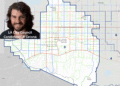
But L.A. County Supervisor and Board Chair Hilda L. Solis (D-Central and Eastern Los Angeles including Downtown LA, East LA, Pico-Union, Boyle Heights, El Monte, West Covina, Baldwin Park, Pomona) said there is nothing beautiful about taking away food and healthcare to many vulnerable families.
“Food assistance and healthcare are not luxuries,” Solis said. “Right now, they are very, very essential for our families, and especially for our children and our seniors.”
Solis noted in a briefing on the changes that 108,000 Angelenos had already lost CalFresh access since federal changes were enacted last July — even before today’s expanded requirements took effect — and that food banks are already operating at capacity.
The L.A. County Department of Public Social Services (DPSS) is urging affected residents to keep their contact information current, respond promptly to mailed notices, and submit required renewal and semi-annual report forms on time. Customers subject to the new requirements will receive direct notification from DPSS before their case is affected.
The federal administration estimates that nationally, approximately 560,000 people subject to the new work requirements will neither meet them nor qualify for an allowable exemption.
Exemptions exist for those who are pregnant, have a physical or mental health condition preventing work, are caring for a dependent with a disability, or are enrolled in a substance-use disorder program.
Residents with questions can visit dpss.lacounty.gov, call (866) 613-3777, or visit a local DPSS office.