

By Ernesto Medrano
I grew up in East Los Angeles, the son of a union leader and a garment worker. My parents taught me that a steady paycheck is the difference between a family merely getting by and a family getting ahead. More than 40 years in the labor movement, from the United Farm Workers to the Building Trades, have only proven them right.
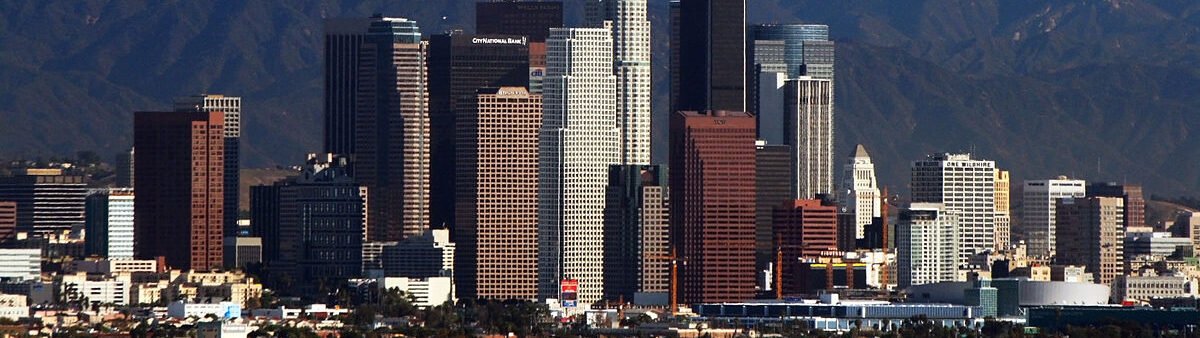
And in construction, a steady paycheck depends on one thing above all: projects that actually get built. Right now, Southern California has more work ahead than at any point in my career. Roughly 20 months after the Palisades and Eaton fires destroyed more than 16,000 homes and buildings, recovery is finally gaining speed. More than 1,000 Palisades homes have begun rebuilding, and the City of Los Angeles issued permits for 8,800 homes in the first half of 2026, more than in all of last year. On top of this effort, the LA 2028 Olympic Games are less than two years away. So when this region decides something has to get built, it gets built.
However, none of it works without power. Every rebuilt home, every Olympic venue and every new apartment building needs a grid that can deliver electricity reliably and at a price families can afford. And that grid is where California keeps getting stuck.
Nearly 9 gigawatts of new renewable power in California is being held up because the transmission lines to carry it aren’t getting built fast enough. Major transmission projects in this state have run more than six years behind schedule on average, more than doubling their original timelines. Lines that cross federal land need sign-off from multiple federal agencies, often one after another. Californians feel that delay every month in some of the highest electric bills in the country.
A new study commissioned by Next American Era and the Responsible Business Initiative explains why this keeps happening. There’s no single villain, but rather a system that’s under continual pressure and needs relief. Federal agencies review projects one after another instead of at the same time. Major projects can involve six or more federal agencies with no one clearly in charge. Agencies are understaffed, interconnection lines are backed up, and lawsuits can outlast the project itself. Nationwide, 8,200 energy projects are waiting to connect to the grid, and the typical wait from request to operation is now more than five years.
As the Council’s executive secretary, I negotiate Project Labor Agreements, the contracts that guarantee local hiring, fair wages and apprenticeship slots on major projects. A PLA is a promise to a community: that a project will put your neighbors to work and train the next generation. But a PLA on a project that never breaks ground is a promise nobody can keep. Workers need steady paychecks, and apprentices need thousands of hours on the job to finish their training. So every month a project sits in review is a month of wages, health coverage and training hours workers don’t get back. Nationally, more than half a million construction jobs are tied to building out the grid.
None of this means we should cut corners, especially on safety, but we need a faster way to get these projects off the ground. California’s environmental protections exist for good reasons, and our members live in the communities these projects touch. Reform must mean that reviews can run at the same time, with one agency accountable for a decision, agencies staffed to do the work, and a streamlined permitting process that lets projects get off the ground and be completed in a reasonable amount of time.
Congress has a real opening to help us at the state level. Our representatives just need the will to act. The Senate just introduced the Bipartisan American Affordability and Jobs Act, which recognizes that permitting reform lies at the heart of this issue and overlaps with so many federal agencies, making comprehensive and bipartisan action absolutely critical. I urge Senators Alex Padilla and Adam Schiff, and California’s House delegation on both sides of the aisle, to support it.
When lawmakers return after the election for the final weeks of this Congress, they should finish the job during the lame-duck session instead of starting over next year. That will give state legislatures a head start on 2027.
Los Angeles showed after the fires that when we treat building and rebuilding as urgent, we can move. Our members of the Building Trades are trained, organized and ready. Washington should give them the green light so projects can actually start.
Ernesto Medrano is executive secretary of the Los Angeles/Orange Counties Building and Construction Trades Council. He has spent more than 40 years in the labor movement, from the United Farm Workers to the Building Trades.
Editor’s Note: It is the policy of Los Angeles County Politics to run all submitted op-eds with rare exception. The views expressed in this op-ed are those of the author and do not necessarily reflect the views of Los Angeles County Politics.