


LA County’s Lawyers Reviewed CityGate Eaton Fire Report Before Release

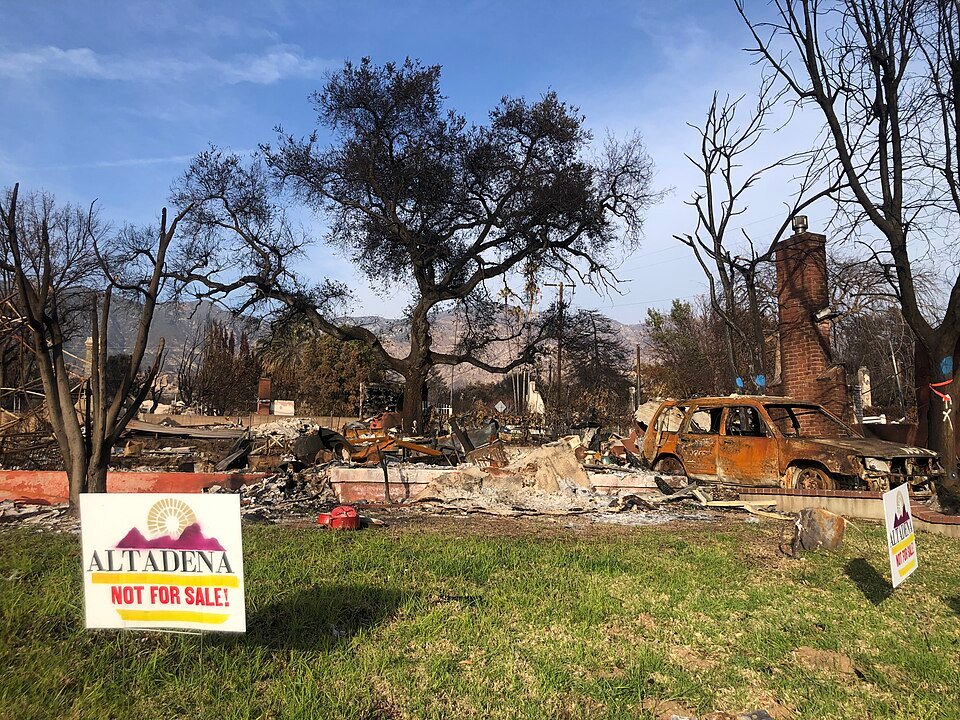
By Facsenator - Own work, CC0, https://commons.wikimedia.org/w/index.php?curid=164230866

By Stephen Witt, Los Angeles County Politics

So much for independence.

Los Angeles County attorneys confirmed yesterday they reviewed the Los Angeles County Fire Department (LACoFD)-commissioned Citygate Associates report on the Eaton Fire before it was released to the public — even as Fire Chief Anthony Marrone, LA County Supervisor Kathryn Barger and the county’s own press release all described it as an independent investigation.

The Office of the County Counsel (OCC) said in an emailed statement that it oversaw the report as LACoFD requested an independent investigation involving personnel matters and proper fire subject-matter expertise.

“The process is confidential and protected by attorney-client privilege and work product given the personnel matters involved,” wrote the OCC.

“It is standard practice that County Counsel review the work of its consultant before it is released to the public to confirm the work was performed in compliance with contractual requirements. None of Citygate’s findings and recommendations were substantively or materially changed,” the County Counsel added.

The report comes as the county and OCC legal arm face possible litigation that could cost county taxpayers millions of dollars, much of which revolves around allegations from Altadena’s Black community that emergency workers focused their evacuations on the wealthier East Side of Altadena and Pasadena and not in West Altadena’s historically Black neighborhood.

Eighteen of the 19 people who died in the Eaton Fire lived in West Altadena. The average age of victims was 77. According to UCLA research, 57% of Black homeowners in Altadena are over 65. The people who died were the assisted living demographic.

The 47-page Citygate report included forensic precision — minute-by-minute timelines, reproduced text messages, FireGuard satellite thermal imagery, and exact evacuation zone codes. There is exactly one disjointed paragraph addressing racial equity. It reads in full:

“Finally, Citygate’s review of the prior design of the evacuation zones, their use during the fire, and the Incident Command decisions never revealed they were based on race, age, or socioeconomics. Further, some resources were appropriately triaged to perform evacuations, rescues, and structure protection of assisted living centers and homes where many seniors and people with disabilities lived. To firefighters, law enforcement, and emergency medical personnel, there were simply lives at risk.”

The paragraph never identifies where those assisted living facilities were located — and contradicts itself by claiming age was not a factor in decisions while simultaneously describing age-based triage.

The facilities that received priority triage resources included the Pasadena Park Convalescent Hospital, evacuated at 8:04 p.m. with approximately 250 patients, and MonteCedro, described by LAist as among the region’s most upscale retirement communities with an average entrance fee of approximately $1 million — both located in eastern Altadena and Pasadena, not West Altadena.

Barger praised the report, saying the Citygate investigation “reflects the importance of thoroughly examining the decisions, communications, and emergency conditions surrounding the Eaton Fire response.”

“This independent investigation found that Unified Command did not engage in misconduct or intentionally delay evacuation decisions affecting areas west of Lake Avenue. The report also provides important new information about evolving field communications. At the same time, this investigation should not be interpreted as dismissing the experiences of residents. Public trust requires both accountability and a willingness to learn from every aspect of a disaster response,” Barger said

But Aimery Thomas, founder of the Future Organization, a community research group that has been independently studying the Eaton Fire response, noted that the county’s earlier McChrystal Group after-action review — also publicly described as independent — was similarly retained through the Office of County Counsel.

“No public entity should be allowed to investigate itself or set the scope or terms for investigation with such stakes,” Thomas said. “Because the county has chosen to filter both of its reports through County Counsel, that suggests to me that they’re concerned about something potentially being actionable or potentially being the subject of litigation.”


Leave a Reply

Your email address will not be published. Required fields are marked *

This site uses Akismet to reduce spam. Learn how your comment data is processed.

By Stephen Witt, Los Angeles County Politics

So much for independence.

Los Angeles County attorneys confirmed yesterday they reviewed the Los Angeles County Fire Department (LACoFD)-commissioned Citygate Associates report on the Eaton Fire before it was released to the public — even as Fire Chief Anthony Marrone, LA County Supervisor Kathryn Barger and the county’s own press release all described it as an independent investigation.

The Office of the County Counsel (OCC) said in an emailed statement that it oversaw the report as LACoFD requested an independent investigation involving personnel matters and proper fire subject-matter expertise.

“The process is confidential and protected by attorney-client privilege and work product given the personnel matters involved,” wrote the OCC.

“It is standard practice that County Counsel review the work of its consultant before it is released to the public to confirm the work was performed in compliance with contractual requirements. None of Citygate’s findings and recommendations were substantively or materially changed,” the County Counsel added.

The report comes as the county and OCC legal arm face possible litigation that could cost county taxpayers millions of dollars, much of which revolves around allegations from Altadena’s Black community that emergency workers focused their evacuations on the wealthier East Side of Altadena and Pasadena and not in West Altadena’s historically Black neighborhood.

Eighteen of the 19 people who died in the Eaton Fire lived in West Altadena. The average age of victims was 77. According to UCLA research, 57% of Black homeowners in Altadena are over 65. The people who died were the assisted living demographic.

The 47-page Citygate report included forensic precision — minute-by-minute timelines, reproduced text messages, FireGuard satellite thermal imagery, and exact evacuation zone codes. There is exactly one disjointed paragraph addressing racial equity. It reads in full:

“Finally, Citygate’s review of the prior design of the evacuation zones, their use during the fire, and the Incident Command decisions never revealed they were based on race, age, or socioeconomics. Further, some resources were appropriately triaged to perform evacuations, rescues, and structure protection of assisted living centers and homes where many seniors and people with disabilities lived. To firefighters, law enforcement, and emergency medical personnel, there were simply lives at risk.”

The paragraph never identifies where those assisted living facilities were located — and contradicts itself by claiming age was not a factor in decisions while simultaneously describing age-based triage.

The facilities that received priority triage resources included the Pasadena Park Convalescent Hospital, evacuated at 8:04 p.m. with approximately 250 patients, and MonteCedro, described by LAist as among the region’s most upscale retirement communities with an average entrance fee of approximately $1 million — both located in eastern Altadena and Pasadena, not West Altadena.

Barger praised the report, saying the Citygate investigation “reflects the importance of thoroughly examining the decisions, communications, and emergency conditions surrounding the Eaton Fire response.”

“This independent investigation found that Unified Command did not engage in misconduct or intentionally delay evacuation decisions affecting areas west of Lake Avenue. The report also provides important new information about evolving field communications. At the same time, this investigation should not be interpreted as dismissing the experiences of residents. Public trust requires both accountability and a willingness to learn from every aspect of a disaster response,” Barger said

But Aimery Thomas, founder of the Future Organization, a community research group that has been independently studying the Eaton Fire response, noted that the county’s earlier McChrystal Group after-action review — also publicly described as independent — was similarly retained through the Office of County Counsel.

“No public entity should be allowed to investigate itself or set the scope or terms for investigation with such stakes,” Thomas said. “Because the county has chosen to filter both of its reports through County Counsel, that suggests to me that they’re concerned about something potentially being actionable or potentially being the subject of litigation.”