


By Los Angeles County Politics
Of all the ballot initiatives in a state that has made them famous, Prop. 40, a.k.a. the Billionaire Tax, had to land on the 2026 ballot.
Well, ballots go out by Oct. 5, so here it is, explained, with a little from both sides.
What it is
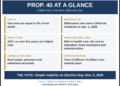
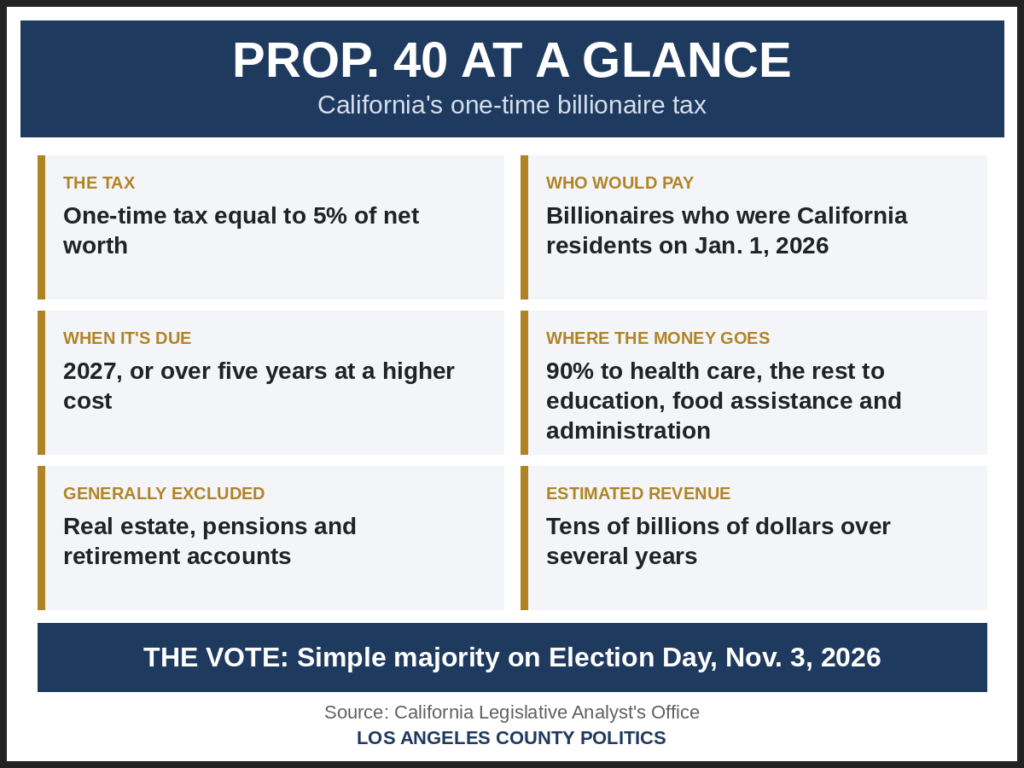
Prop. 40 would hit California’s billionaires with a one-time tax equal to 5% of their net worth. It applies to anyone worth more than $1 billion who lived in the state on Jan. 1, 2026. The bill comes due in 2027, though taxpayers could spread it over five years for a higher price. Real estate, pensions, and retirement accounts are generally excluded, according to the Legislative Analyst’s Office.
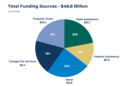
Ninety percent of the money must go to health care, with the rest going to education, food assistance and administration. The measure is also exempt from the constitutional rules that set minimum school funding and cap state spending.
How much would it raise? Nobody can say for sure. The analyst’s office estimates tens of billions of dollars over several years, though the total depends on how much billionaires lower their bills. It says the state could lose less than $1 billion a year in income tax revenue if some billionaires leave.
The idea came from SEIU United Healthcare Workers West, which filed it late last year with help from UC Berkeley economist Emmanuel Saez. The union said in April it had gathered 1.6 million signatures, and the secretary of state certified the measure June 17. The next day, the union offered to pull it if Gov. Gavin Newsom would back a 2% tax passed by the Legislature. Newsom said no, and the June 25 withdrawal deadline passed.
Some billionaires didn’t wait for the vote. Six of the state’s estimated 214 reportedly left around the Jan. 1 cutoff, including Peter Thiel and Google co-founders Larry Page and Sergey Brin, according to Fortune.
The side for
Supporters say it’s about fairness. In the voter guide, they argue billionaires pay lower rates than working families, that federal cuts will cost more than a million Californians their coverage, and that about 200 billionaires holding $2 trillion can afford it. They put the haul at about $100 billion.
Sen. Bernie Sanders has campaigned for it. The California Labor Federation and California Nurses Association are on board, and the California Democratic Party endorsed it in August on a second vote after a first attempt fell short. Saez and economist Gabriel Zucman argue that even if every billionaire left, it would take 25 years for the lost income tax to add up to what the state would collect.
The side against
Opponents call it a badly built experiment. Newsom, the California Teachers Association, the California Medical Association, Planned Parenthood Affiliates of California, the state hospital association, and the California Chamber of Commerce oppose it.
They cite a study by Stanford economists estimating the tax would cost the state $25 billion as wealthy residents leave. They say the measure has no rules on how the money is spent, could shortchange schools by $3 billion a year because it skips the school funding guarantee, and would let the Legislature change the tax without going back to voters. They also say it would tax retirement accounts, which the analyst’s office says generally are excluded. Supporters say it only ever touches billionaires.
Opponents also put two competing measures on the ballot, Props. 41 and 42. If either gets more yes votes than Prop. 40, the analyst’s office says, courts could throw Prop. 40 out even if it wins. Building a Better California, an opposition group co-founded by Brin and Eric Schmidt, is behind them and had raised $118 million by August, according to the San Francisco Chronicle.
When voters weigh in
Support has slipped. A Berkeley Institute of Governmental Studies poll in August had 48% in favor and 41% opposed. A follow-up poll Sept. 15 to 20, co-sponsored by the Los Angeles Times, put support below 50%. IGS co-director Cristina Mora said tax measures stuck under 50% this close to an election tend to fail because undecided voters often break toward no.
The analyst’s office’s full analysis and the ballot arguments are in the voter guide at voterguide.sos.ca.gov. The arguments there are the authors’ opinions and have not been fact-checked by any agency.
County elections officials begin mailing ballots on or before Oct. 5. The voter registration deadline is Oct. 19, and Election Day is Nov. 3.