



Chu, Sherman, Schiff, Padilla press FEMA — Friedman leads film tax credit push — Muratsuchi, Kalani advance monument — Tran targets rent costs

Chu, Sherman, Schiff, Padilla press FEMA on wildfire recovery program shutdown

U.S. Rep. Judy Chu
U.S. Rep. Brad Sherman

U.S. Reps. Judy Chu (D-Pasadena, Monterey Park, San Gabriel, Alhambra, west San Gabriel Valley) and  Brad Sherman (D-Sherman Oaks, Encino, Woodland Hills, Northridge), and U.S. Senators Adam Schiff (D-Calif.) and Alex Padilla (D-Calif.) fired off a follow-up letter demanding FEMA immediately act to prevent the Disaster Case Management Program serving Eaton and Palisades fire survivors from shutting down Sept. 30.

The letter follows an unanswered Sept. 10 demand from the same lawmakers urging FEMA to release outstanding program funding.

On Sept. 11, FEMA Region 9 denied California’s request for an additional $6.57 million needed to sustain the program, a decision the state has since appealed. FEMA approved the program to operate for 24 months but has released only about $3 million of the roughly $13 million approved, with three remaining installments still under review. DCMP providers report more than 3,000 survivors served to date, including 1,288 active cases, 84 survivors on an immediate waitlist, and 1,023 cases categorized at the highest complexity level.

“FEMA approved this program because survivors needed sustained case management throughout a long and difficult recovery,” the lawmakers wrote. “Yet FEMA’s own funding delays now threaten to force the program to shut down months before the end of that approved period.”

The shutdown deadline lands just days before separate FEMA rental assistance for LA wildfire survivors is set to expire Oct. 9. As of Sept. 17, 801 households were receiving that rental assistance, including 623 renter households, with 329 applications still pending.

“Allowing DCMP to terminate on September 30, immediately before this separate housing assistance cliff, risks leaving survivors without trained case managers precisely when many may need additional help navigating housing challenges and other unmet recovery needs,” the lawmakers wrote.

They asked FEMA for answers by Sept. 28.

Friedman leads bipartisan, bicameral coalition on national film tax credit

U.S. Rep. Laura Friedman

U.S. Rep. Laura Friedman (D-Burbank, Glendale, West Hollywood, of L.A., Pasadena) announced yesterday the bipartisan, bicameral Motion Picture, Television, and Entertainment Revitalization Act, legislation to create a national film tax credit aimed at bringing production jobs back to the United States.

The bill would create an estimated 143,500 full-time equivalent jobs annually and generate $133 billion in wages over the next decade, according to backers, by establishing a 20% tax credit on labor expenses for qualifying film and television productions, with bonus credits worth up to 30% for productions that hire in rural or federally declared disaster areas, operate across multiple states, or bring work back from overseas. The credit would also cover domestic post-production and visual effects work and is transferable, meaning independent producers who don’t owe enough in federal taxes could sell the credit for cash upfront.

“For over a year, I’ve worked to build a coalition of unions, studios, Republicans and Democrats, and the White House, because we knew that a national film tax credit would bring hundreds of thousands of jobs back to our country,” said Friedman. “This bill is a result of that coalition. It tells every country that has been outbidding us for American work that we are done losing.”

Friedman is leading the bill in the House alongside Reps. Nathaniel Moran, Brian Jack, David Kustoff, Mike Carey and Tom Suozzi, along with fellow LA-area Reps. Judy Chu and Linda Sánchez. In the Senate, Sen. Tim Scott and Sen. Adam Schiff (D-Calif.) lead the bill, with a growing list of supporters.

The bill is endorsed by SAG-AFTRA, the Directors Guild of America, IATSE, the Teamsters, the Motion Picture Association and more than a dozen other industry organizations.

American film and television production has lost more than 100,000 jobs since its October 2022 peak, a decline of roughly 36%, as U.S. high-budget production spending fell 20% in 2025 while the United Kingdom, Germany, Hungary and the Czech Republic all posted gains.

Muratsuchi, Kalani advance WWII Japanese American Incarceration Monument

Assemblymember Al Muratsuchi
Torrance Mayor Sharon Kalani

Assemblymember Al Muratsuchi (D-El Segundo, Gardena, Hermosa Beach, Lomita, Los Angeles, Manhattan Beach, Palos Verdes Estates, Rancho Palos Verdes, Redondo Beach, Rolling Hills, Rolling Hills Estates, San Pedro, Torrance) and Torrance Mayor Sharon Kalani are moving forward with a landmark memorial after the Torrance City Council voted unanimously to advance the WWII Japanese American Incarceration Monument Project at Columbia Park.

The project, which will preserve the names and stories of Japanese Americans unjustly incarcerated during World War II, received an initial $5 million state grant secured by Muratsuchi. The council authorized the city to request an extension of that grant through Feb. 1, 2029, to allow more time for completion, and approved a donor recognition policy as the city works to raise an additional $15 million needed to finish the project.

The monument, designed by architecture firm Chee Salette, will feature approximately 126,000 names on black granite walls, interpretive educational displays and accessible visitor spaces, with completion anticipated in fall 2028.

“This monument is about remembering every name and ensuring the experiences of Japanese Americans who were unjustly incarcerated during World War II are never forgotten,” said Kalani. “By moving this project forward, we are creating a place where future generations can learn, reflect and understand the importance of protecting civil liberties.”

The project was originally envisioned by the late Dr. Kanji Sahara, a longtime Torrance resident and WWII incarceration survivor, in partnership with the nonprofit WWII Camp Wall. The city is inviting donations of all sizes toward the $15 million goal, with recognition levels available for cumulative contributions starting at $100,000.

Tran introduces bill to lower housing costs for Southern California renters

U.S. Rep. Derek Tran

U.S. Rep. Derek Tran (D-Cerritos, Artesia, Hawaiian Gardens, Lakewood/Orange County) introduced the Housing Cost of Living Support for Tenants Act, legislation that would create a new federal tax credit to ease rising rental costs for Southern California families.

The bill would establish a baseline 8% refundable tax credit for households earning $150,000 or less, capped at $333 a month, or up to $4,000 a year. Tran’s office estimates the credit would benefit more than 75,000 households in his own 45th Congressional District alone.

“Housing costs across the country, especially in Southern California have reached a breaking point,” said Tran. “Families are barely scraping by to pay rent, let alone save for the future. This bill would provide immediate, tangible relief to renters in need, helping them keep a roof over their heads, provide more room in their budgets for everyday expenses, or even save to buy a home.”

Leave a Reply

Your email address will not be published. Required fields are marked *

This site uses Akismet to reduce spam. Learn how your comment data is processed.

  • Latest
  • Comments
  • Trending

Chu, Sherman, Schiff, Padilla press FEMA on wildfire recovery program shutdown

U.S. Rep. Judy Chu
U.S. Rep. Brad Sherman

U.S. Reps. Judy Chu (D-Pasadena, Monterey Park, San Gabriel, Alhambra, west San Gabriel Valley) and  Brad Sherman (D-Sherman Oaks, Encino, Woodland Hills, Northridge), and U.S. Senators Adam Schiff (D-Calif.) and Alex Padilla (D-Calif.) fired off a follow-up letter demanding FEMA immediately act to prevent the Disaster Case Management Program serving Eaton and Palisades fire survivors from shutting down Sept. 30.

The letter follows an unanswered Sept. 10 demand from the same lawmakers urging FEMA to release outstanding program funding.

On Sept. 11, FEMA Region 9 denied California’s request for an additional $6.57 million needed to sustain the program, a decision the state has since appealed. FEMA approved the program to operate for 24 months but has released only about $3 million of the roughly $13 million approved, with three remaining installments still under review. DCMP providers report more than 3,000 survivors served to date, including 1,288 active cases, 84 survivors on an immediate waitlist, and 1,023 cases categorized at the highest complexity level.

“FEMA approved this program because survivors needed sustained case management throughout a long and difficult recovery,” the lawmakers wrote. “Yet FEMA’s own funding delays now threaten to force the program to shut down months before the end of that approved period.”

The shutdown deadline lands just days before separate FEMA rental assistance for LA wildfire survivors is set to expire Oct. 9. As of Sept. 17, 801 households were receiving that rental assistance, including 623 renter households, with 329 applications still pending.

“Allowing DCMP to terminate on September 30, immediately before this separate housing assistance cliff, risks leaving survivors without trained case managers precisely when many may need additional help navigating housing challenges and other unmet recovery needs,” the lawmakers wrote.

They asked FEMA for answers by Sept. 28.

Friedman leads bipartisan, bicameral coalition on national film tax credit
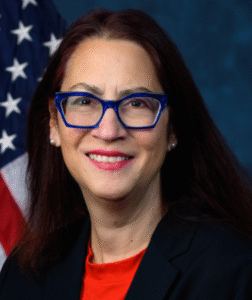
U.S. Rep. Laura Friedman

U.S. Rep. Laura Friedman (D-Burbank, Glendale, West Hollywood, of L.A., Pasadena) announced yesterday the bipartisan, bicameral Motion Picture, Television, and Entertainment Revitalization Act, legislation to create a national film tax credit aimed at bringing production jobs back to the United States.

The bill would create an estimated 143,500 full-time equivalent jobs annually and generate $133 billion in wages over the next decade, according to backers, by establishing a 20% tax credit on labor expenses for qualifying film and television productions, with bonus credits worth up to 30% for productions that hire in rural or federally declared disaster areas, operate across multiple states, or bring work back from overseas. The credit would also cover domestic post-production and visual effects work and is transferable, meaning independent producers who don’t owe enough in federal taxes could sell the credit for cash upfront.

“For over a year, I’ve worked to build a coalition of unions, studios, Republicans and Democrats, and the White House, because we knew that a national film tax credit would bring hundreds of thousands of jobs back to our country,” said Friedman. “This bill is a result of that coalition. It tells every country that has been outbidding us for American work that we are done losing.”

Friedman is leading the bill in the House alongside Reps. Nathaniel Moran, Brian Jack, David Kustoff, Mike Carey and Tom Suozzi, along with fellow LA-area Reps. Judy Chu and Linda Sánchez. In the Senate, Sen. Tim Scott and Sen. Adam Schiff (D-Calif.) lead the bill, with a growing list of supporters.

The bill is endorsed by SAG-AFTRA, the Directors Guild of America, IATSE, the Teamsters, the Motion Picture Association and more than a dozen other industry organizations.

American film and television production has lost more than 100,000 jobs since its October 2022 peak, a decline of roughly 36%, as U.S. high-budget production spending fell 20% in 2025 while the United Kingdom, Germany, Hungary and the Czech Republic all posted gains.

Muratsuchi, Kalani advance WWII Japanese American Incarceration Monument

Assemblymember Al Muratsuchi
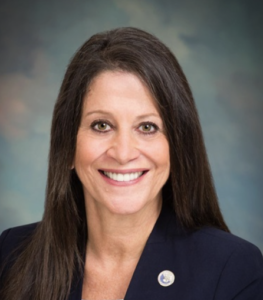
Torrance Mayor Sharon Kalani

Assemblymember Al Muratsuchi (D-El Segundo, Gardena, Hermosa Beach, Lomita, Los Angeles, Manhattan Beach, Palos Verdes Estates, Rancho Palos Verdes, Redondo Beach, Rolling Hills, Rolling Hills Estates, San Pedro, Torrance) and Torrance Mayor Sharon Kalani are moving forward with a landmark memorial after the Torrance City Council voted unanimously to advance the WWII Japanese American Incarceration Monument Project at Columbia Park.
The project, which will preserve the names and stories of Japanese Americans unjustly incarcerated during World War II, received an initial $5 million state grant secured by Muratsuchi. The council authorized the city to request an extension of that grant through Feb. 1, 2029, to allow more time for completion, and approved a donor recognition policy as the city works to raise an additional $15 million needed to finish the project.

The monument, designed by architecture firm Chee Salette, will feature approximately 126,000 names on black granite walls, interpretive educational displays and accessible visitor spaces, with completion anticipated in fall 2028.

“This monument is about remembering every name and ensuring the experiences of Japanese Americans who were unjustly incarcerated during World War II are never forgotten,” said Kalani. “By moving this project forward, we are creating a place where future generations can learn, reflect and understand the importance of protecting civil liberties.”

The project was originally envisioned by the late Dr. Kanji Sahara, a longtime Torrance resident and WWII incarceration survivor, in partnership with the nonprofit WWII Camp Wall. The city is inviting donations of all sizes toward the $15 million goal, with recognition levels available for cumulative contributions starting at $100,000.

Tran introduces bill to lower housing costs for Southern California renters
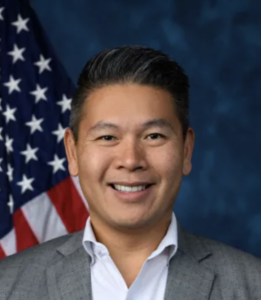
U.S. Rep. Derek Tran

U.S. Rep. Derek Tran (D-Cerritos, Artesia, Hawaiian Gardens, Lakewood/Orange County) introduced the Housing Cost of Living Support for Tenants Act, legislation that would create a new federal tax credit to ease rising rental costs for Southern California families.

The bill would establish a baseline 8% refundable tax credit for households earning $150,000 or less, capped at $333 a month, or up to $4,000 a year. Tran’s office estimates the credit would benefit more than 75,000 households in his own 45th Congressional District alone.

“Housing costs across the country, especially in Southern California have reached a breaking point,” said Tran. “Families are barely scraping by to pay rent, let alone save for the future. This bill would provide immediate, tangible relief to renters in need, helping them keep a roof over their heads, provide more room in their budgets for everyday expenses, or even save to buy a home.”