


CD3 candidates clash on housing density, homeless spending and police oversight at West Valley forum

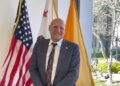
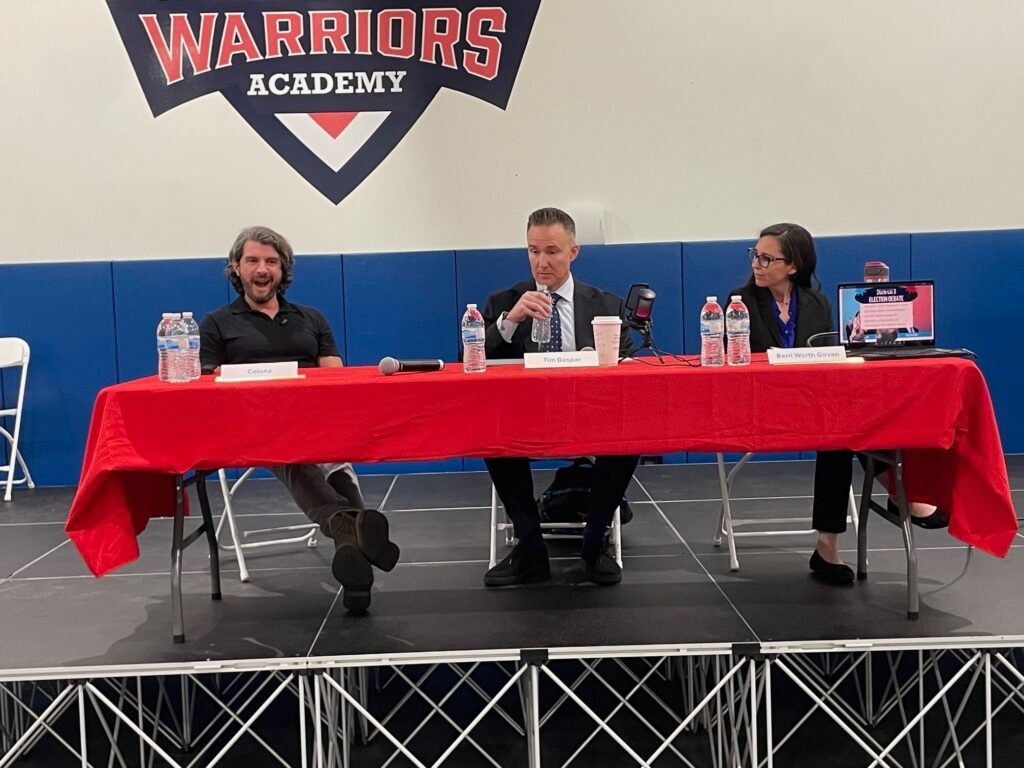
From left, CD3 candidates C.R. Celona, Tim Gaspar and Barri Worth Girvan at Monday night's candidate forum at Magnolia Science Academy in Reseda. (Photo by Stephen Witt/Los Angeles County Politics)

By Stephen Witt, Los Angeles County Politics

C.R. Celona, Tim Gaspar and Barri Worth Girvan, the three candidates competing for the Los Angeles City Council’s Third District seat covering the western part of the San Fernando Valley, drew sharp distinctions Monday night on housing density legislation, homeless spending accountability, and police oversight — in a forum that made clear this race will turn on genuine policy differences, not just personality.

The five neighborhood councils in the district — Canoga Park, Reseda, Tarzana, Winnetka, and Woodland Hills-Warner Center — organized the forum, which was held at Magnolia Science Academy on Sherman Way in Reseda — a working-class neighborhood in a district more known for its affluence.

On housing density and SB 79

The sharpest divide of the night came on state legislation, SB 79, the Affordable Homes Near Transit Act, signed by Governor Newsom in October 2025, which overrides local zoning to build more housing. Specifically, the measure allows residential development of up to nine stories within a quarter mile of major transit stops — and five to six stories within a half mile — overriding local zoning standards. 

Gaspar was unequivocal in his opposition to SB 79. 

“Developers can bypass the neighborhood council, bypass the city council,” Gaspar said. “You can literally have a skyscraper built right next to your single-family home, and you won’t know about it until the tractors start coming down your street.”

Worth Girvan pushed back, framing state intervention as the predictable consequence of local governments failing to act. She noted Los Angeles must produce more than 450,000 new units by 2029 and had built only 17,000 as of last year. 

“If we as a city can get our act together to find areas that are suitable for housing and permit these areas, then we don’t have that friction with the state,” she said. 

Celona agreed, calling foot-dragging the root cause of Sacramento’s intervention. “If you wait for the last minute with a credit card statement, there’s interest to be paid,” he said.

On homeless spending

All three candidates expressed skepticism about how the city’s $700 million homeless budget is being spent, but differed on the remedy. 

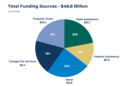
Gaspar argued the city is constitutionally misallocating funds that belong under the county’s $48 billion budget, and that Inside Safe’s per-person cost of $257,000 is unsustainable. He said as a CD3 councilmember, he would only contract with homeless service organizations whose cost per person approaches the $30,000 model used by organizations like the Salvation Army.

Celona called for a systematic audit — an A, B, C review of all homeless service providers — arguing that transparency about where money goes is the prerequisite for any real reform. 

Worth Girvan trained her fire on the Los Angeles Homeless Services Authority (LAHSA), which she called “broken,” and said the county was right to withdraw its funding and set up its own oversight department with real accountability.

On the Housing First model — which prioritizes getting people housed without preconditions like sobriety — Gaspar and Celona both expressed opposition without wraparound services, with Gaspar pointing to a cluster of tiny homes near the G Line station on Mercedes Avenue in Reseda as a cautionary example. 

“It is pandemonium on any day of the week,” he said. 

Worth Girvan supported Housing First as a necessary first step but agreed it must be paired with case management and mental health services to keep people off the streets permanently.

On police oversight

The proposed Bureau of Police Oversight drew another clear line. 

Gaspar came out firmly against it, arguing the LAPD is already among the most scrutinized departments in the country. Giving city council oversight power over the department — particularly a council that includes a self-described police abolitionist — would be “letting the fox into the hen house,” he said. 

Worth Girvan supported stronger auditing functions but questioned whether a new bureau was fiscally prudent given the current budget crisis. 

Celona said everyone in government needs more oversight, including police, but was less prescriptive on the bureau itself.

On immigration

All three candidates opposed federal ICE enforcement tactics but differed in approach. 

Worth Girvan was the most forceful, pledging to personally deploy staff into immigrant communities to distribute red cards and provide Know Your Rights education. 

Gaspar said he organized bilingual immigration attorney sessions within a week of the first enforcement actions and noted that his wife — a 17-year FBI veteran — resigned over the agency’s role in the raids. 

Celona invoked his Sicilian immigrant grandparents and called for fast-tracking undocumented residents who pay taxes and want citizenship.

One of the forum’s most striking moments came not from the candidates but from a Magnolia Science Academy student who said she no longer feels safe walking to her bus stop on Vanowen because of encampments and drug use near the G Line station. 

The school sits on Sherman Way in Reseda — a working-class corridor that occupies the less-discussed half of a district more often associated with the affluent hills of Woodland Hills and Tarzana — and will test whoever wins this seat.

The CD3 primary is Tuesday, June 2, 2026. Mail-in ballots will be delivered to mailboxes on or after May 4. The last day to register to vote is May 18. Voters can check their registration status at registertovote.ca.gov. If no candidate receives more than 50 percent of the primary vote, the top two finishers will advance to the November 3 general election.
Leave a Reply

Your email address will not be published. Required fields are marked *

This site uses Akismet to reduce spam. Learn how your comment data is processed.

By Stephen Witt, Los Angeles County Politics

C.R. Celona, Tim Gaspar and Barri Worth Girvan, the three candidates competing for the Los Angeles City Council’s Third District seat covering the western part of the San Fernando Valley, drew sharp distinctions Monday night on housing density legislation, homeless spending accountability, and police oversight — in a forum that made clear this race will turn on genuine policy differences, not just personality.

The five neighborhood councils in the district — Canoga Park, Reseda, Tarzana, Winnetka, and Woodland Hills-Warner Center — organized the forum, which was held at Magnolia Science Academy on Sherman Way in Reseda — a working-class neighborhood in a district more known for its affluence.

On housing density and SB 79

The sharpest divide of the night came on state legislation, SB 79, the Affordable Homes Near Transit Act, signed by Governor Newsom in October 2025, which overrides local zoning to build more housing. Specifically, the measure allows residential development of up to nine stories within a quarter mile of major transit stops — and five to six stories within a half mile — overriding local zoning standards. 

Gaspar was unequivocal in his opposition to SB 79. 

“Developers can bypass the neighborhood council, bypass the city council,” Gaspar said. “You can literally have a skyscraper built right next to your single-family home, and you won’t know about it until the tractors start coming down your street.”

Worth Girvan pushed back, framing state intervention as the predictable consequence of local governments failing to act. She noted Los Angeles must produce more than 450,000 new units by 2029 and had built only 17,000 as of last year. 

“If we as a city can get our act together to find areas that are suitable for housing and permit these areas, then we don’t have that friction with the state,” she said. 

Celona agreed, calling foot-dragging the root cause of Sacramento’s intervention. “If you wait for the last minute with a credit card statement, there’s interest to be paid,” he said.

On homeless spending

All three candidates expressed skepticism about how the city’s $700 million homeless budget is being spent, but differed on the remedy. 

Gaspar argued the city is constitutionally misallocating funds that belong under the county’s $48 billion budget, and that Inside Safe’s per-person cost of $257,000 is unsustainable. He said as a CD3 councilmember, he would only contract with homeless service organizations whose cost per person approaches the $30,000 model used by organizations like the Salvation Army.

Celona called for a systematic audit — an A, B, C review of all homeless service providers — arguing that transparency about where money goes is the prerequisite for any real reform. 

Worth Girvan trained her fire on the Los Angeles Homeless Services Authority (LAHSA), which she called “broken,” and said the county was right to withdraw its funding and set up its own oversight department with real accountability.

On the Housing First model — which prioritizes getting people housed without preconditions like sobriety — Gaspar and Celona both expressed opposition without wraparound services, with Gaspar pointing to a cluster of tiny homes near the G Line station on Mercedes Avenue in Reseda as a cautionary example. 

“It is pandemonium on any day of the week,” he said. 

Worth Girvan supported Housing First as a necessary first step but agreed it must be paired with case management and mental health services to keep people off the streets permanently.

On police oversight

The proposed Bureau of Police Oversight drew another clear line. 

Gaspar came out firmly against it, arguing the LAPD is already among the most scrutinized departments in the country. Giving city council oversight power over the department — particularly a council that includes a self-described police abolitionist — would be “letting the fox into the hen house,” he said. 

Worth Girvan supported stronger auditing functions but questioned whether a new bureau was fiscally prudent given the current budget crisis. 

Celona said everyone in government needs more oversight, including police, but was less prescriptive on the bureau itself.

On immigration

All three candidates opposed federal ICE enforcement tactics but differed in approach. 

Worth Girvan was the most forceful, pledging to personally deploy staff into immigrant communities to distribute red cards and provide Know Your Rights education. 

Gaspar said he organized bilingual immigration attorney sessions within a week of the first enforcement actions and noted that his wife — a 17-year FBI veteran — resigned over the agency’s role in the raids. 

Celona invoked his Sicilian immigrant grandparents and called for fast-tracking undocumented residents who pay taxes and want citizenship.

One of the forum’s most striking moments came not from the candidates but from a Magnolia Science Academy student who said she no longer feels safe walking to her bus stop on Vanowen because of encampments and drug use near the G Line station. 

The school sits on Sherman Way in Reseda — a working-class corridor that occupies the less-discussed half of a district more often associated with the affluent hills of Woodland Hills and Tarzana — and will test whoever wins this seat.

The CD3 primary is Tuesday, June 2, 2026. Mail-in ballots will be delivered to mailboxes on or after May 4. The last day to register to vote is May 18. Voters can check their registration status at registertovote.ca.gov. If no candidate receives more than 50 percent of the primary vote, the top two finishers will advance to the November 3 general election.