


By Stephen Witt, Los Angeles County Politics (LACP)
Los Angeles County’s new Department of Homeless Services and Housing (DHSH) has not answered a single question from LACP about a federal push to overhaul the county’s decades-old approach to homelessness, despite repeated emails and phone calls over more than a week.
LACP emailed the DHSH press office on Monday, Aug. 17, asking whether Director Sarah Mahin had reviewed the Trump administration’s newly released “Treatment First” Best Practices Toolkit and what she made of it.
The 37-page toolkit, released jointly by the Office of National Drug Control Policy, the Department of Health and Human Services and HUD, argues that the “Housing First” model that has anchored federal and local homelessness policy for roughly two decades gets the order of operations backward — that providing housing with no treatment requirements attached to someone struggling with addiction, mental illness or trauma only masks the underlying problem, often leaving that person to cycle back onto the street.
LACP asked Mahin how she’d respond to that critique, whether HSH is considering any adjustments to its Housing First approach, how the department weighs faith-based providers like the Stairway Recovery Center in Woodland Hills against the toolkit’s emphasis on faith-based partnerships, and what the toolkit’s rejection of Housing First could mean for HSH’s own funding and program design going forward.
HSH failed to respond to any of these questions.
The silence comes as the county’s own numbers on homeless deaths tell a more complicated story than either side of the Housing First/Treatment First debate might prefer.
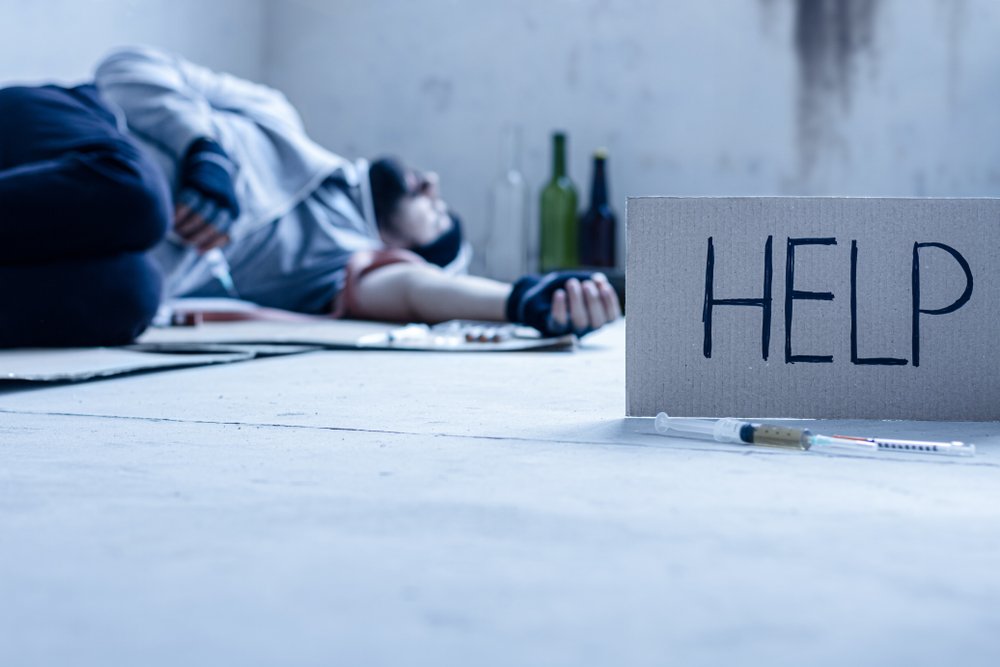
According to the LA County Department of Public Health’s most recent mortality report, released in March, drug and alcohol overdose remained the leading cause of death among unhoused residents in 2024 but fell to 40% of all such deaths, down from 45% in 2023 — part of the first year-over-year decline in overall homeless mortality since the county began tracking it in 2014.
DPH Director Barbara Ferrer attributed the improvement largely to overdose prevention and harm reduction efforts, while warning that federal and state funding cuts could reverse the gains.
Separately, the California Statewide Study of People Experiencing Homelessness found 48% of unhoused Californians have a “complex behavioral health need,” including regular hard substance use, heavy drinking, hallucinations or a recent psychiatric hospitalization — a figure both sides of the debate could plausibly cite in support of their preferred model.
HSH launched Jan. 1 and completed a full transition of homeless services funding and contracts away from the Los Angeles Homeless Services Authority on July 1, consolidating functions previously split between LAHSA, the county’s Homeless Initiative and the Department of Health Services’ Housing for Health division.
The new department was created after years of criticism that LAHSA lacked accountability and was slow to act, including a 2023 county audit citing weak contract oversight and delayed reimbursements to nonprofits.