


Feldstein Soto call out legal aid group on accountability; Hochman pushes six bipartisan public safety bills; Rubio laudes $355.9B State legislative budget

Feldstein Soto: Legal Aid Group Took $90 Million While Refusing Basic Oversight

LA City Attorney Hydee Feldstein Soto

Los Angeles City Attorney Hydee Feldstein Soto released a public report yesterday detailing how a legal aid organization that began with a $7 million emergency contract during COVID-19 grew to consume more than $90 million in city funds — all while refusing to agree to the basic accountability and reporting requirements the city demands of every contractor spending taxpayer dollars.

The contract at the center of the dispute is with the Legal Aid Foundation of Los Angeles (LAFLA), which administers the city’s Eviction Defense and Prevention program. The original $7 million agreement, awarded in 2021 under a COVID-19 emergency exception to competitive bidding rules, was amended and extended nine times without the reporting, oversight, and audit provisions required by the original contract.

“It is unconscionable that LAFLA has chosen not to agree to the accountability and reporting requirements necessary to finalize these contracts,” said Feldstein Soto. “Basic oversight, transparency and audit requirements are necessary to protect the residents of Los Angeles and the tenants that these programs intend to serve. This Office will continue to work with proposed contractors until the concerns are sufficiently addressed. That is what the City Council required and that is what Angelenos deserve.”

Feldstein Soto’s office emphasized that the programs themselves — tenant outreach, eviction defense, harassment protection, and emergency rental assistance — remain important and that the city is committed to ensuring residents receive the services the City Council authorized.

The dispute is not over whether to fund tenant protections but over whether organizations receiving tens of millions in public dollars should be required to prove the money was spent as promised.

LAFLA has previously agreed to equivalent oversight terms with the federal government, making its resistance to identical city requirements difficult to justify on any grounds other than convenience, Feldstein Soto said.

Hochman Pushes Six Bipartisan Public Safety Bills 
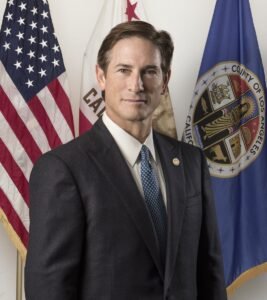
LA County District Attorney Nathan J. Hochman

Los Angeles County District Attorney Nathan Hochman traveled to Sacramento last week to urge the California Legislature to pass and Governor Gavin Newsom to sign six bipartisan bills his office sponsored.

The legislative package targets enforcement of drunk drivers, labor traffickers, corporate polluters, animal abusers, and corrupt peace officers while strengthening wrongful conviction investigations. All six bills passed their house of origin unanimously.

“My office is sponsoring significant reforms to strengthen California’s criminal laws and ensure offenders are appropriately punished while deterring future crimes,” said Hochman. “We are gratified that the legislation we sponsored has unanimously passed its house of origin in the California legislature, reflecting the urgent need for criminal justice reform to enhance accountability, protect communities and save lives.”

The most emotionally charged bill in the package is Braun’s Law, embedded in SB 907 and named for Braun Levi, an 18-year-old Loyola High School student killed in Manhattan Beach last year by a repeat drunk driver whose prior DUI charge had been pled down to a lesser offense.

Under current law, drivers whose DUI charges are dismissed or reduced are not required to receive a Watson Warning — the advisement that a future DUI death could be charged as second-degree murder. Braun’s Law would close that gap.

“California’s DUI laws are among the weakest in the nation, and our prosecutors see the tragic impact of these failed laws in the courtroom every day, like in the heartbreaking death of Braun Levi,” said Hochman. “Chronic DUI offenders cause catastrophic crashes and loss of life, devastating the victims’ loved ones and entire communities. These laws needed to change decades ago and every day we wait puts more lives at risk.”

The remaining five bills address labor trafficking and wage theft across county lines; illegal dumping of toxic materials, including wildfire debris in low-income and minority communities; protection of animals seized in cruelty cases from languishing in shelters while defendants delay proceedings; expanded access to case files for wrongful conviction investigations; and revocation of peace officer certifications for theft committed under color of authority.

Rubio lauds $355.9B State Legislative Budget

State Sen. Susan Rubio

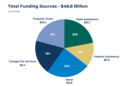
State Sen. Susan Rubio (D, Baldwin Park, West Covina, El Monte) yesterday lauded the Legislature’s 2026-27 California State Budget — a $355.9 billion spending plan that prioritizes protection of food assistance and healthcare programs, while setting aside a record $36.5 billion in reserves against future economic uncertainty.

The budget, passed as Assembly Bill 109, allocates $253 billion to the state’s General Fund. Its most consequential provisions for Los Angeles County residents address the growing gap between federal retrenchment and local need.

“Balancing a budget is one of the most important responsibilities we have as legislators, and this year’s budget required difficult decisions,” said Rubio. “With continued uncertainty from the federal government and threats to programs that millions of Californians rely on, I am proud that this budget prioritizes our children, working families, seniors, public safety, healthcare access, housing, and support for our most vulnerable residents. At a time when the federal government is stepping back from many of these commitments, California is continuing to step forward.”

The plan includes $100 million for CalFood to help food banks absorb demand driven by H.R. 1 federal nutrition cuts; $185 million above the Governor’s May Revision for CalFresh eligibility workers to help county departments like LA’s DPSS manage surging caseloads; and $900 million for the state’s Homeless Housing, Assistance and Prevention program.

Additionally, Medi-Cal cuts proposed in the Governor’s earlier revision are delayed until July 1, 2027, buying counties additional time to prepare.

The Legislature and Governor Newsom will now negotiate a final version before the new fiscal year begins on July 1.
Leave a Reply

Your email address will not be published. Required fields are marked *

This site uses Akismet to reduce spam. Learn how your comment data is processed.

  • Latest
  • Comments
  • Trending

Feldstein Soto: Legal Aid Group Took $90 Million While Refusing Basic Oversight

LA City Attorney Hydee Feldstein Soto

Los Angeles City Attorney Hydee Feldstein Soto released a public report yesterday detailing how a legal aid organization that began with a $7 million emergency contract during COVID-19 grew to consume more than $90 million in city funds — all while refusing to agree to the basic accountability and reporting requirements the city demands of every contractor spending taxpayer dollars.

The contract at the center of the dispute is with the Legal Aid Foundation of Los Angeles (LAFLA), which administers the city’s Eviction Defense and Prevention program. The original $7 million agreement, awarded in 2021 under a COVID-19 emergency exception to competitive bidding rules, was amended and extended nine times without the reporting, oversight, and audit provisions required by the original contract.

“It is unconscionable that LAFLA has chosen not to agree to the accountability and reporting requirements necessary to finalize these contracts,” said Feldstein Soto. “Basic oversight, transparency and audit requirements are necessary to protect the residents of Los Angeles and the tenants that these programs intend to serve. This Office will continue to work with proposed contractors until the concerns are sufficiently addressed. That is what the City Council required and that is what Angelenos deserve.”

Feldstein Soto’s office emphasized that the programs themselves — tenant outreach, eviction defense, harassment protection, and emergency rental assistance — remain important and that the city is committed to ensuring residents receive the services the City Council authorized.

The dispute is not over whether to fund tenant protections but over whether organizations receiving tens of millions in public dollars should be required to prove the money was spent as promised.

LAFLA has previously agreed to equivalent oversight terms with the federal government, making its resistance to identical city requirements difficult to justify on any grounds other than convenience, Feldstein Soto said.

Hochman Pushes Six Bipartisan Public Safety Bills 

LA County District Attorney Nathan J. Hochman

Los Angeles County District Attorney Nathan Hochman traveled to Sacramento last week to urge the California Legislature to pass and Governor Gavin Newsom to sign six bipartisan bills his office sponsored.

The legislative package targets enforcement of drunk drivers, labor traffickers, corporate polluters, animal abusers, and corrupt peace officers while strengthening wrongful conviction investigations. All six bills passed their house of origin unanimously.

“My office is sponsoring significant reforms to strengthen California’s criminal laws and ensure offenders are appropriately punished while deterring future crimes,” said Hochman. “We are gratified that the legislation we sponsored has unanimously passed its house of origin in the California legislature, reflecting the urgent need for criminal justice reform to enhance accountability, protect communities and save lives.”

The most emotionally charged bill in the package is Braun’s Law, embedded in SB 907 and named for Braun Levi, an 18-year-old Loyola High School student killed in Manhattan Beach last year by a repeat drunk driver whose prior DUI charge had been pled down to a lesser offense.

Under current law, drivers whose DUI charges are dismissed or reduced are not required to receive a Watson Warning — the advisement that a future DUI death could be charged as second-degree murder. Braun’s Law would close that gap.

“California’s DUI laws are among the weakest in the nation, and our prosecutors see the tragic impact of these failed laws in the courtroom every day, like in the heartbreaking death of Braun Levi,” said Hochman. “Chronic DUI offenders cause catastrophic crashes and loss of life, devastating the victims’ loved ones and entire communities. These laws needed to change decades ago and every day we wait puts more lives at risk.”

The remaining five bills address labor trafficking and wage theft across county lines; illegal dumping of toxic materials, including wildfire debris in low-income and minority communities; protection of animals seized in cruelty cases from languishing in shelters while defendants delay proceedings; expanded access to case files for wrongful conviction investigations; and revocation of peace officer certifications for theft committed under color of authority.

Rubio lauds $355.9B State Legislative Budget

State Sen. Susan Rubio

State Sen. Susan Rubio (D, Baldwin Park, West Covina, El Monte) yesterday lauded the Legislature’s 2026-27 California State Budget — a $355.9 billion spending plan that prioritizes protection of food assistance and healthcare programs, while setting aside a record $36.5 billion in reserves against future economic uncertainty.

The budget, passed as Assembly Bill 109, allocates $253 billion to the state’s General Fund. Its most consequential provisions for Los Angeles County residents address the growing gap between federal retrenchment and local need.

“Balancing a budget is one of the most important responsibilities we have as legislators, and this year’s budget required difficult decisions,” said Rubio. “With continued uncertainty from the federal government and threats to programs that millions of Californians rely on, I am proud that this budget prioritizes our children, working families, seniors, public safety, healthcare access, housing, and support for our most vulnerable residents. At a time when the federal government is stepping back from many of these commitments, California is continuing to step forward.”

The plan includes $100 million for CalFood to help food banks absorb demand driven by H.R. 1 federal nutrition cuts; $185 million above the Governor’s May Revision for CalFresh eligibility workers to help county departments like LA’s DPSS manage surging caseloads; and $900 million for the state’s Homeless Housing, Assistance and Prevention program.

Additionally, Medi-Cal cuts proposed in the Governor’s earlier revision are delayed until July 1, 2027, buying counties additional time to prepare.

The Legislature and Governor Newsom will now negotiate a final version before the new fiscal year begins on July 1.