



At Witt’s End: So much for California’s open governor’s race

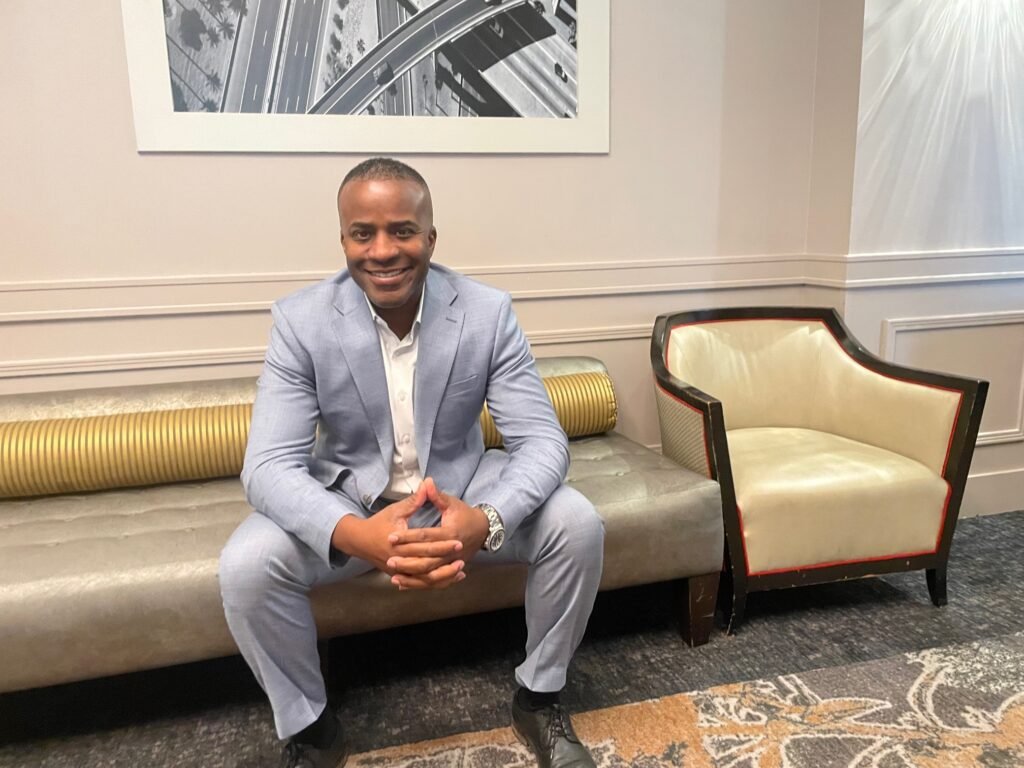
Independent gubernatorial candidate Leonard Jackson. Photo Credit: LACP

By Stephen Witt

Stephen Witt

California’s 2026 gubernatorial race was supposed to be different.

No incumbent. No heir apparent. No pre-ordained frontrunner. For the first time in years, the field was genuinely open — more than two dozen candidates, 44% of voters still undecided, no one polling above 15%. It looked like a rare opening for outsider voices.

That promise lasted about as long as it took two institutions to slam the door.

USC and ABC7 Los Angeles announced their March 24 debate lineup. Six candidates made the cut. Every one of them is white. Every Democratic candidate of color — former U.S. Health Secretary Xavier Becerra, former L.A. Mayor Antonio Villaraigosa, state Superintendent Tony Thurmond, former Controller Betty Yee — was excluded.

Meanwhile, San José Mayor Matt Mahan, who entered the race in late January and had filed no semi-annual fundraising disclosures, was included. The formula was flexible — just not for the candidates of color who had been in the race for months.

Becerra called it what it looked like: “You disqualified all of the candidates of color while you invited a white candidate who has never polled higher than some of us.” Villaraigosa called it “biased and bigoted.”

They may be right. But the debate controversy is not the only story.

At almost exactly the same moment, the Secretary of State’s office quietly removed another candidate from the ballot — one with no powerful allies to command front-page coverage.

Leonard Jackson is a Santa Clarita transportation CEO who earned his MBA from Pepperdine and filed as a no-party-preference independent. He paid his $5,000 filing fee and mailed his required tax return disclosures on March 3 — three days before the deadline. The post office delivered them on March 7, a Saturday. The office processed them March 9. One day late — not because Jackson was careless, but because the post office was slow.

That was enough. Jackson was removed from the ballot — and as of this writing, he doesn’t know if he’ll be out the $5,000 filing fee for the pleasure of trying to run for governor. But hopefully it won’t come to that.

His attorney filed a Petition for Writ of Mandate, arguing what should be obvious: California Elections Code sections 8900–8903 don’t define “file” as requiring physical receipt regardless of delivery. The Secretary of State’s own instructions direct candidates to use mail. Administrative fine print cannot override what the Legislature enacted. The purpose of the transparency disclosure requirement has been fully served — the Secretary of State has the returns.

Asked to explain the legal basis for its ruling, the Secretary of State’s press office declined to comment.

Jackson is also Black. He’s not someone to play the race card, but it’s a question worth asking: Is it a coincidence that the same week produced a debate excluding every candidate of color and an administrative ruling knocking an independent Black candidate off the ballot on a technicality?

We cannot say it is intentional. We can say it is a pattern. A democratic process that claims to be open while disadvantaging the underfunded, the unaffiliated, and the underrepresented is not, in any meaningful sense, open at all.

Leonard Jackson mailed his paperwork three days early and trusted the post office. California’s system told him that wasn’t enough.

The court should tell California’s system otherwise.

Leave a Reply

Your email address will not be published. Required fields are marked *

By Stephen Witt

Stephen Witt

California’s 2026 gubernatorial race was supposed to be different.

No incumbent. No heir apparent. No pre-ordained frontrunner. For the first time in years, the field was genuinely open — more than two dozen candidates, 44% of voters still undecided, no one polling above 15%. It looked like a rare opening for outsider voices.

That promise lasted about as long as it took two institutions to slam the door.

USC and ABC7 Los Angeles announced their March 24 debate lineup. Six candidates made the cut. Every one of them is white. Every Democratic candidate of color — former U.S. Health Secretary Xavier Becerra, former L.A. Mayor Antonio Villaraigosa, state Superintendent Tony Thurmond, former Controller Betty Yee — was excluded.

Meanwhile, San José Mayor Matt Mahan, who entered the race in late January and had filed no semi-annual fundraising disclosures, was included. The formula was flexible — just not for the candidates of color who had been in the race for months.

Becerra called it what it looked like: “You disqualified all of the candidates of color while you invited a white candidate who has never polled higher than some of us.” Villaraigosa called it “biased and bigoted.”

They may be right. But the debate controversy is not the only story.

At almost exactly the same moment, the Secretary of State’s office quietly removed another candidate from the ballot — one with no powerful allies to command front-page coverage.

Leonard Jackson is a Santa Clarita transportation CEO who earned his MBA from Pepperdine and filed as a no-party-preference independent. He paid his $5,000 filing fee and mailed his required tax return disclosures on March 3 — three days before the deadline. The post office delivered them on March 7, a Saturday. The office processed them March 9. One day late — not because Jackson was careless, but because the post office was slow.

That was enough. Jackson was removed from the ballot — and as of this writing, he doesn’t know if he’ll be out the $5,000 filing fee for the pleasure of trying to run for governor. But hopefully it won’t come to that.

His attorney filed a Petition for Writ of Mandate, arguing what should be obvious: California Elections Code sections 8900–8903 don’t define “file” as requiring physical receipt regardless of delivery. The Secretary of State’s own instructions direct candidates to use mail. Administrative fine print cannot override what the Legislature enacted. The purpose of the transparency disclosure requirement has been fully served — the Secretary of State has the returns.

Asked to explain the legal basis for its ruling, the Secretary of State’s press office declined to comment.

Jackson is also Black. He’s not someone to play the race card, but it’s a question worth asking: Is it a coincidence that the same week produced a debate excluding every candidate of color and an administrative ruling knocking an independent Black candidate off the ballot on a technicality?

We cannot say it is intentional. We can say it is a pattern. A democratic process that claims to be open while disadvantaging the underfunded, the unaffiliated, and the underrepresented is not, in any meaningful sense, open at all.

Leonard Jackson mailed his paperwork three days early and trusted the post office. California’s system told him that wasn’t enough.

The court should tell California’s system otherwise.