

Metro Board greenlights C Line extension to Torrance

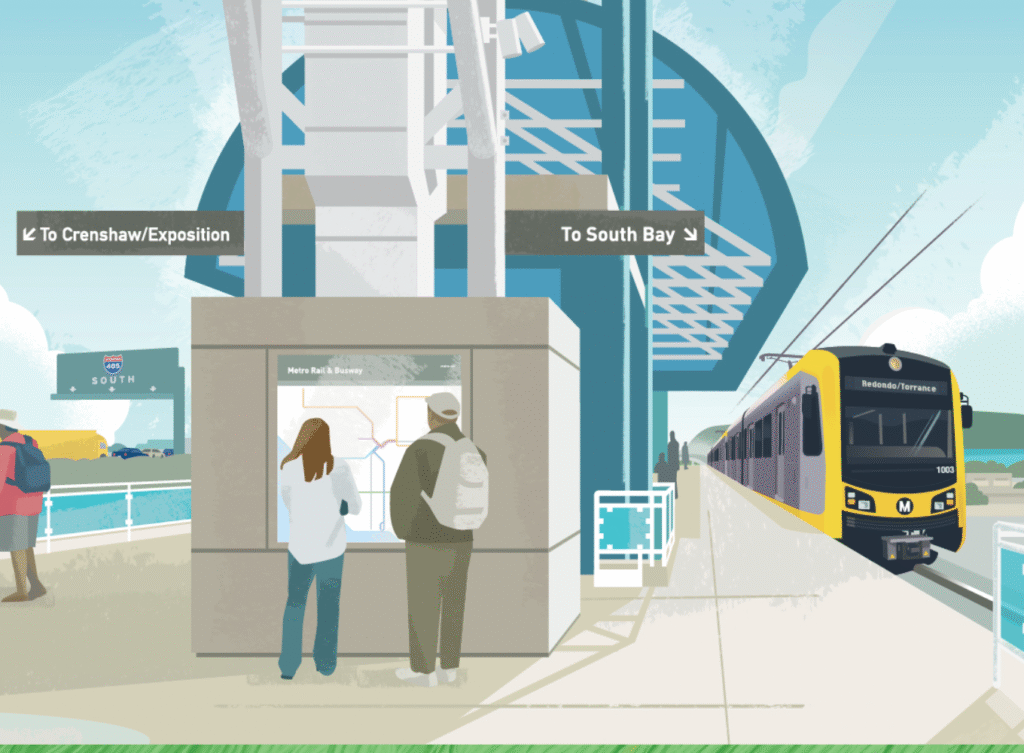
An art rendering of a stop along the Metro C Line Extension to Torrance. Rendering from the Metro website.

By Los Angeles County Politics (LACP)

More than four decades after South Bay voters first approved rail transit to the region, the Los Angeles County Metropolitan Transportation Authority Board of Directors yesterday unanimously selected the Hawthorne Boulevard alignment for extending light rail to Torrance on Thursday, overriding Metro staff recommendations and strong objections from the City of Torrance.

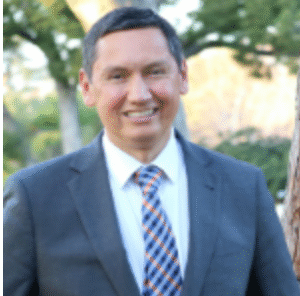
LA County Supervisor Holly J. Mitchell
Pomona Mayor Tim Sandoval
Inglewood Mayor James T. Butts

The decision, advanced through a motion by LA County Supervisor Holly J. Mitchell and co-authored by Pomona Mayor Tim Sandoval, Inglewood Mayor James Butts, and Metro Board Member Jacquelyn Dupont-Walker, approves the final Environmental Impact Report (EIR) for the 4.5-mile extension that will connect light rail from Redondo Beach to the Mary K. Giordano Regional Transit Center in Torrance, serving the cities of Redondo Beach, Lawndale, and Torrance.

The project is officially called the “C Line Extension to Torrance,” a name dating to when it was first conceived as an extension of the C Line (formerly the Green Line). However, following Metro’s 2024 service reconfiguration, the extension will operate as part of the K Line when completed, providing a direct north-south connection from the South Bay through LAX to Expo/Crenshaw.

Mitchell Defends Route Selection

“Let me be clear, I’ve never tap-danced on this issue and have been consistent about ensuring transit reaches the South Bay, an area that has waited decades for fast, frequent, and reliable rail service,” Mitchell said in a statement following the vote. “This has always been about fulfilling our responsibility and the voter mandate to expand transit access in the South Bay by selecting the best route for achieving this. The Hawthorne option presents the strongest opportunity to deliver lasting mobility, economic, and environmental benefits.”

Victory for Lawndale Residents

The decision marks a significant victory for Lawndale residents who opposed Metro’s staff-recommended Hybrid Locally Preferred Alternative, which would have run along Metro’s existing right-of-way adjacent to residential neighborhoods. That option would have impacted 178 residential homes and required 17 temporary construction easements lasting more than six years. Residents raised concerns about proximity to homes, multi-year construction impacts, loss of green space, rail safety, utility and pipeline relocation, and potential exposure to contaminated soils.

The Hawthorne Boulevard alternative will run as a fully elevated light rail alignment down the center of the major commercial corridor, creating a single ride from the Expo Line to LAX and into the South Bay.

Torrance Warns of Economic Impact

Torrance Mayor George K. Chen

However, the decision drew fierce opposition from Torrance city officials who warned of devastating economic consequences. In a press release issued the day before the vote, Torrance Mayor George K. Chen urged Metro Board members to reject what he called a “last-minute counter-motion.”

“For decades, L.A. Metro had the vision to improve mobility and reduce congestion by extending light rail incrementally,” Chen said. “The Hybrid Locally Preferred Alternative along the existing Metro Right-of-Way is the most practical and common-sense approach, offering the shortest construction schedule and lowest cost. This path has the least impact on the South Bay as a whole, avoids negative effects on businesses and residents, and builds on prior investments to deliver real benefits to our communities sooner rather than later.”

$800 Million Price Difference

City of Torrance analysis indicates the Hawthorne Boulevard alternative carries a projected cost of $3.4 billion, nearly $800 million more than the $2.7 billion Hybrid LPA. The Hawthorne option is also expected to open later, in December 2036, compared to March 2036 for the staff-recommended alternative.

Torrance officials warned that construction lasting five to seven years would significantly restrict access to businesses along Hawthorne Boulevard, the primary commercial gateway to Del Amo Fashion Center—the largest shopping center in the region and second largest in California. The city projected that over $164 million annually in Los Angeles County sales tax revenue and over $28 million annually in City of Torrance sales tax revenue would be at risk, with an estimated 70,000 daily vehicle trips disrupted along Hawthorne Boulevard.

“These impacts extend far beyond Torrance,” said City Manager Aram Chaparyan. “Torrance generates more sales tax revenue than nearly every other city in the county. When you disrupt Hawthorne Boulevard, the gateway to our shopping centers, auto dealers, and businesses, you don’t just hurt Torrance, you hurt the schools and services across LA County that depend on that revenue. The staff-recommended Hybrid LPA delivers the same transit benefits without this economic catastrophe.”

Four Decades in the Making

The project has a complex four-decade history. Originally envisioned in 1980 through the passage of Proposition A, the extension has remained a regional priority despite funding uncertainties. Voters reaffirmed their commitment by approving funding through Measure R in 2008 and Measure M in 2016. The Metro Board elevated the project in 2019 as one of Metro’s Pillar projects, and in May 2024, the board approved the Hybrid Alternative as the Locally Preferred Alternative before Thursday’s reversal.

The extension is projected to serve 11,500 daily riders by 2042 and will provide crucial connections to LAX via the Automated People Mover and to the broader Metro rail network. Construction could begin as early as 2027.


Leave a Reply

Your email address will not be published. Required fields are marked *

By Los Angeles County Politics (LACP)

More than four decades after South Bay voters first approved rail transit to the region, the Los Angeles County Metropolitan Transportation Authority Board of Directors yesterday unanimously selected the Hawthorne Boulevard alignment for extending light rail to Torrance on Thursday, overriding Metro staff recommendations and strong objections from the City of Torrance.

LA County Supervisor Holly J. Mitchell
Pomona Mayor Tim Sandoval
Inglewood Mayor James T. Butts

The decision, advanced through a motion by LA County Supervisor Holly J. Mitchell and co-authored by Pomona Mayor Tim Sandoval, Inglewood Mayor James Butts, and Metro Board Member Jacquelyn Dupont-Walker, approves the final Environmental Impact Report (EIR) for the 4.5-mile extension that will connect light rail from Redondo Beach to the Mary K. Giordano Regional Transit Center in Torrance, serving the cities of Redondo Beach, Lawndale, and Torrance.

The project is officially called the “C Line Extension to Torrance,” a name dating to when it was first conceived as an extension of the C Line (formerly the Green Line). However, following Metro’s 2024 service reconfiguration, the extension will operate as part of the K Line when completed, providing a direct north-south connection from the South Bay through LAX to Expo/Crenshaw.

Mitchell Defends Route Selection

“Let me be clear, I’ve never tap-danced on this issue and have been consistent about ensuring transit reaches the South Bay, an area that has waited decades for fast, frequent, and reliable rail service,” Mitchell said in a statement following the vote. “This has always been about fulfilling our responsibility and the voter mandate to expand transit access in the South Bay by selecting the best route for achieving this. The Hawthorne option presents the strongest opportunity to deliver lasting mobility, economic, and environmental benefits.”

Victory for Lawndale Residents

The decision marks a significant victory for Lawndale residents who opposed Metro’s staff-recommended Hybrid Locally Preferred Alternative, which would have run along Metro’s existing right-of-way adjacent to residential neighborhoods. That option would have impacted 178 residential homes and required 17 temporary construction easements lasting more than six years. Residents raised concerns about proximity to homes, multi-year construction impacts, loss of green space, rail safety, utility and pipeline relocation, and potential exposure to contaminated soils.

The Hawthorne Boulevard alternative will run as a fully elevated light rail alignment down the center of the major commercial corridor, creating a single ride from the Expo Line to LAX and into the South Bay.

Torrance Warns of Economic Impact

Torrance Mayor George K. Chen

However, the decision drew fierce opposition from Torrance city officials who warned of devastating economic consequences. In a press release issued the day before the vote, Torrance Mayor George K. Chen urged Metro Board members to reject what he called a “last-minute counter-motion.”

“For decades, L.A. Metro had the vision to improve mobility and reduce congestion by extending light rail incrementally,” Chen said. “The Hybrid Locally Preferred Alternative along the existing Metro Right-of-Way is the most practical and common-sense approach, offering the shortest construction schedule and lowest cost. This path has the least impact on the South Bay as a whole, avoids negative effects on businesses and residents, and builds on prior investments to deliver real benefits to our communities sooner rather than later.”

$800 Million Price Difference

City of Torrance analysis indicates the Hawthorne Boulevard alternative carries a projected cost of $3.4 billion, nearly $800 million more than the $2.7 billion Hybrid LPA. The Hawthorne option is also expected to open later, in December 2036, compared to March 2036 for the staff-recommended alternative.

Torrance officials warned that construction lasting five to seven years would significantly restrict access to businesses along Hawthorne Boulevard, the primary commercial gateway to Del Amo Fashion Center—the largest shopping center in the region and second largest in California. The city projected that over $164 million annually in Los Angeles County sales tax revenue and over $28 million annually in City of Torrance sales tax revenue would be at risk, with an estimated 70,000 daily vehicle trips disrupted along Hawthorne Boulevard.

“These impacts extend far beyond Torrance,” said City Manager Aram Chaparyan. “Torrance generates more sales tax revenue than nearly every other city in the county. When you disrupt Hawthorne Boulevard, the gateway to our shopping centers, auto dealers, and businesses, you don’t just hurt Torrance, you hurt the schools and services across LA County that depend on that revenue. The staff-recommended Hybrid LPA delivers the same transit benefits without this economic catastrophe.”

Four Decades in the Making

The project has a complex four-decade history. Originally envisioned in 1980 through the passage of Proposition A, the extension has remained a regional priority despite funding uncertainties. Voters reaffirmed their commitment by approving funding through Measure R in 2008 and Measure M in 2016. The Metro Board elevated the project in 2019 as one of Metro’s Pillar projects, and in May 2024, the board approved the Hybrid Alternative as the Locally Preferred Alternative before Thursday’s reversal.

The extension is projected to serve 11,500 daily riders by 2042 and will provide crucial connections to LAX via the Automated People Mover and to the broader Metro rail network. Construction could begin as early as 2027.