



LACP Editorial: America’s chain reaction of broken trust

Image: From Shutterstock

Like the rest of this country, LACP is horrified by the ICE shooting deaths of American citizens Renee Good and Alex Pretti in Minneapolis.

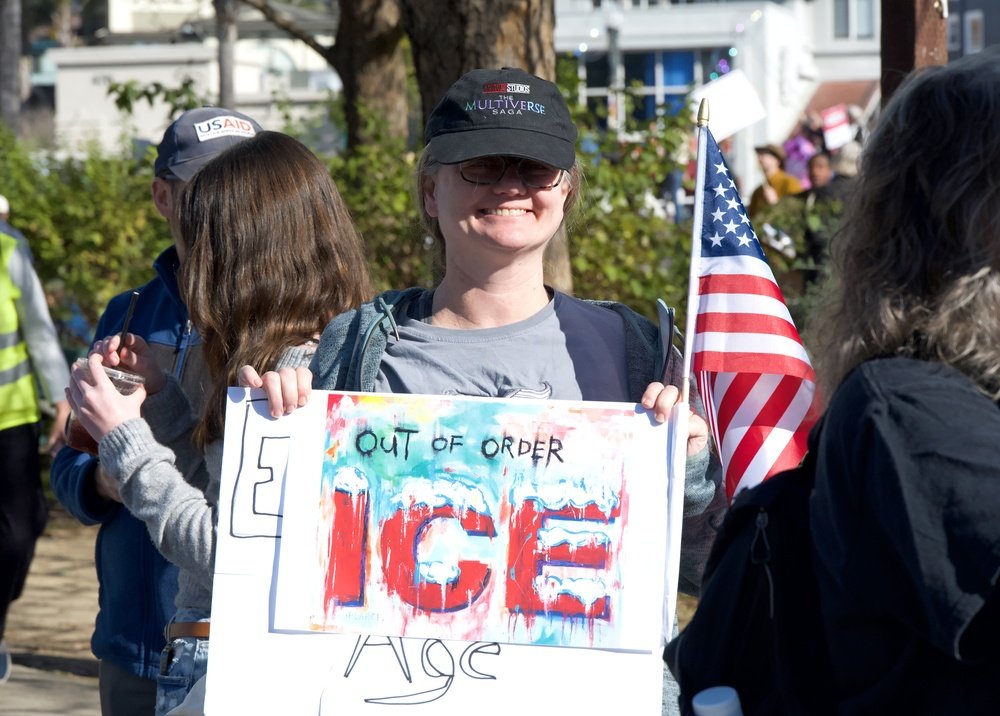
Good, a mother of three, and Pretti, who was legally carrying a gun, were protesting the presence of masked and armed federal agents in American cities who have been stopping, detaining, and arresting ordinary citizens, as well as legally documented and undocumented immigrants.

Nested Legitimacy Crises

The tragedy in Minneapolis represents what LACP has termed a Nested Legitimacy Crisis—where the breakdown of trust at one institutional level cascades upward, destabilizing the entire governance ecosystem.

The crisis begins with undertrained ICE agents operating with questionable constitutional authority, losing legitimacy in the eyes of protesters. When Good and Pretti exercised their First and Second Amendment rights, they were met with lethal force. This operational failure immediately escalated to a crisis of agency legitimacy (ICE itself), then departmental legitimacy (DHS under Secretary Kristi Noem), and finally executive legitimacy (the Trump Administration’s immigration policy).

Each nested layer amplifies the crisis. When citizens cannot trust that federal agents will respect constitutional rights, they lose faith in the agencies that employ them. When agencies appear unaccountable, the departments overseeing them lose credibility. This legitimacy deficit now affects even some Republicans and Trump supporters who previously defended his immigration stance.

Algorithmic Distortion and Historical Amnesia

Social media algorithms have amplified emotionally charged narratives while suppressing historical context. Millennials, Gen Z, and Gen Alpha often characterize Trump’s immigration approach as unprecedented, largely because algorithmic feeds prioritize present-tense outrage over historical memory.

However, California’s immigration history reveals disturbingly similar patterns. The Los Angeles Chinese Massacre of Oct. 24, 1871, saw approximately 500 white and Latino men storm Old Chinatown and shoot, stab, and hang 17 to 20 Chinese men and boys. Although 10 men were convicted of manslaughter, their convictions were overturned on technicalities. This anti-Chinese sentiment led to the Chinese Exclusion Act of 1882—the first U.S. law to prevent an entire ethnic group from immigrating.

The algorithmic suppression of such parallels creates Temporal Polarization—different groups experience current events on completely different timelines. For younger Americans, Trump’s enforcement feels unprecedented. For historians, it echoes patterns from 150 years ago. For immigrant communities, it represents an existential threat demanding immediate action.

These competing temporal experiences make a unified response nearly impossible. Progressives demand immediate ICE abolition. Conservatives insist on immediate mass deportations. Moderates call for comprehensive reform that could take years. Each group operates on a different clock, making compromise extraordinarily difficult.

From Tragedy to Transformation

Since Pretti’s death, there have been encouraging signs of a course correction. Trump has begun to rein in two of his administration’s most aggressive anti-immigrant figures: DHS Secretary Kristi Noem and White House Deputy Chief of Staff Stephen Miller, a Los Angeles native and Santa Monica High School graduate.

Equally significant are Trump’s phone calls to Minnesota Gov. Tim Walz and Minneapolis Mayor Jacob Frey.

We recently celebrated Martin Luther King Jr., who, along with the Mississippi Freedom Riders, gave their lives for civil rights in the 1960s. Their deaths created such profound legitimacy crises for segregationist institutions that the entire Jim Crow system became unsustainable.

It is our hope that the deaths of Good and Pretti will similarly expose the unsustainability of current immigration enforcement. Let their deaths not be in vain.


Leave a Reply

Your email address will not be published. Required fields are marked *

Like the rest of this country, LACP is horrified by the ICE shooting deaths of American citizens Renee Good and Alex Pretti in Minneapolis.

Good, a mother of three, and Pretti, who was legally carrying a gun, were protesting the presence of masked and armed federal agents in American cities who have been stopping, detaining, and arresting ordinary citizens, as well as legally documented and undocumented immigrants.

Nested Legitimacy Crises

The tragedy in Minneapolis represents what LACP has termed a Nested Legitimacy Crisis—where the breakdown of trust at one institutional level cascades upward, destabilizing the entire governance ecosystem.

The crisis begins with undertrained ICE agents operating with questionable constitutional authority, losing legitimacy in the eyes of protesters. When Good and Pretti exercised their First and Second Amendment rights, they were met with lethal force. This operational failure immediately escalated to a crisis of agency legitimacy (ICE itself), then departmental legitimacy (DHS under Secretary Kristi Noem), and finally executive legitimacy (the Trump Administration’s immigration policy).

Each nested layer amplifies the crisis. When citizens cannot trust that federal agents will respect constitutional rights, they lose faith in the agencies that employ them. When agencies appear unaccountable, the departments overseeing them lose credibility. This legitimacy deficit now affects even some Republicans and Trump supporters who previously defended his immigration stance.

Algorithmic Distortion and Historical Amnesia

Social media algorithms have amplified emotionally charged narratives while suppressing historical context. Millennials, Gen Z, and Gen Alpha often characterize Trump’s immigration approach as unprecedented, largely because algorithmic feeds prioritize present-tense outrage over historical memory.

However, California’s immigration history reveals disturbingly similar patterns. The Los Angeles Chinese Massacre of Oct. 24, 1871, saw approximately 500 white and Latino men storm Old Chinatown and shoot, stab, and hang 17 to 20 Chinese men and boys. Although 10 men were convicted of manslaughter, their convictions were overturned on technicalities. This anti-Chinese sentiment led to the Chinese Exclusion Act of 1882—the first U.S. law to prevent an entire ethnic group from immigrating.

The algorithmic suppression of such parallels creates Temporal Polarization—different groups experience current events on completely different timelines. For younger Americans, Trump’s enforcement feels unprecedented. For historians, it echoes patterns from 150 years ago. For immigrant communities, it represents an existential threat demanding immediate action.

These competing temporal experiences make a unified response nearly impossible. Progressives demand immediate ICE abolition. Conservatives insist on immediate mass deportations. Moderates call for comprehensive reform that could take years. Each group operates on a different clock, making compromise extraordinarily difficult.

From Tragedy to Transformation

Since Pretti’s death, there have been encouraging signs of a course correction. Trump has begun to rein in two of his administration’s most aggressive anti-immigrant figures: DHS Secretary Kristi Noem and White House Deputy Chief of Staff Stephen Miller, a Los Angeles native and Santa Monica High School graduate.

Equally significant are Trump’s phone calls to Minnesota Gov. Tim Walz and Minneapolis Mayor Jacob Frey.

We recently celebrated Martin Luther King Jr., who, along with the Mississippi Freedom Riders, gave their lives for civil rights in the 1960s. Their deaths created such profound legitimacy crises for segregationist institutions that the entire Jim Crow system became unsustainable.

It is our hope that the deaths of Good and Pretti will similarly expose the unsustainability of current immigration enforcement. Let their deaths not be in vain.