




Friday, Feb. 20, 2026

Malibu sues LA County over Palisades fire
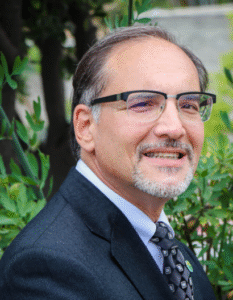
Malibu Mayor Bruce Silverstein

The City of Malibu this week filed a civil complaint in Los Angeles County Superior Court seeking to recover significant financial losses sustained due to the Palisades Fire. 

The lawsuit names multiple governmental entities, including the State of California, the City of Los Angeles, and related agencies. The City’s decision to pursue legal action follows extensive evaluation of the damages incurred and the long-term fiscal implications for Malibu and its taxpayers.

“This decision was not made lightly,” said Malibu Mayor Bruce Silverstein. “The City has an obligation to act in the best interests of our residents and taxpayers. The lawsuit seeks accountability for the extraordinary losses suffered by our community while recognizing that Malibu must continue to work collaboratively with our regional partners going forward.”

The Palisades Fire caused widespread destruction throughout Malibu, including the loss of homes, businesses, public facilities, and critical infrastructure. The City also experienced damage to roads, stormwater systems, public buildings, and open-space lands, as well as significant disruption to tourism, employment, and local revenue.

The complaint alleges that a series of failures in fire conditions, inspections, and emergency preparedness contributed to the scope and severity of the damage. Through this action, the City seeks to recover costs associated with emergency response, infrastructure repair, environmental restoration, and lost revenues.

The City emphasizes that filing this lawsuit does not alter its commitment to regional cooperation, wildfire preparedness, and rebuilding efforts. Malibu remains focused on recovery, resilience, and protecting the long-term health and safety of the community.

Bonta doubles down on abortion rights

California Attorney General Rob Bonta

California Attorney General Rob Bonta yesterday issued an updated information bulletin to all California District Attorneys, Chiefs of Police, Sheriffs, and State Law Enforcement Agencies, reminding them of California’s laws that prohibit law enforcement cooperation with other states’ investigations and prosecutions of abortions that are legal in California. 

The updated bulletin comes in response to Louisiana’s recent indictment of a California physician for allegedly helping to provide a medication abortion in violation of Louisiana law. Medication abortion is legal under California law, and law enforcement is prohibited from arresting or cooperating with investigations or prosecutions of individuals seeking, providing, or assisting with access to reproductive healthcare that is legal in California.

“California remains firmly committed to serving as a safe haven for reproductive rights. We will not allow anti-abortion extremists from outside our state to reach in and undermine the protections guaranteed under California law,” said Bonta. 

“Whether the attacks are coming from the Trump Administration or another state, I am reminding our law enforcement agencies that they cannot assist in prosecuting individuals who seek or provide reproductive healthcare that is lawful in California,” the state’s top prosecutor added.

Chu reintroduces the Southeast Asian Deportation Relief Act of 2026

U.S. Rep. Judy Chu

U.S. Rep. Judy Chu (D-Monterey Park, Alhambra, San Gabriel, Pasadena) yesterday met with community leaders from the Southeast Asia Resource Action Center, the Southeast Asian Freedom Network, and the Southeast Asian Action to commemorate the reintroduction of the Southeast Asian Deportation Relief Act of 2026 (SEADRA).

The legislation would end the deportation of Southeast Asian American (SEAA) refugees, provide critical protections for the more than 15,000 community members living under final orders of removal, and establish a pathway for the more than 2,000 refugees who have already been deported to Cambodia, Laos, and Vietnam to return to the United States.

Between January and October 2025, the Trump administration deported more SEAAs in a single fiscal year than any prior administration — including 46 individuals to Cambodia, 175 to Laos, and 676 to Vietnam. Many of these individuals were shackled hand and foot for flights lasting more than 50 hours to countries they had never set foot in, including Sudan and Eswatini.  

“Donald Trump has made the entire immigrant community his scapegoat to justify horrifying violence, undermine our rights, and tear families apart. That includes Southeast Asian Americans (SEAAs) who have called our country home for decades and who are now being targeted and forced to return to countries that are unsafe or completely unfamiliar to them,” said Chu.  

Southeast Asians from Cambodia, Laos, and Vietnam comprise the largest refugee population ever resettled in the United States. In the aftermath of U.S. military interventions in the region, more than 1.2 million refugees were welcomed to the United States because they fought alongside the U.S. or were forced to flee genocide, persecution, and violence. 

Zbur Introduces bill reforming crime prevention strategies

Assemblymember Rick Chavez Zbur

Assemblymember Rick Chavez Zbur (D–Hollywood, Hancock Park, West Hollywood, Beverly Hills, Westwood, West Los Angeles, Santa Monica) yesterday introduced legislation (AB 2217) to modernize crime prevention strategies by addressing the root causes of criminal behavior and expanding access to services as an alternative to jail time. 

Sponsored by Drug Policy Alliance and Californians for Safety and Justice, this legislation builds on the successful Law Enforcement Assisted Diversion (LEAD) Program by expanding the eligibility criteria and allowing law enforcement officers to refer individuals suspected of committing certain low-level, non-violent offenses to case managers or immediate crisis services in lieu of arrest.

The LEAD model enables officers, at their discretion, to divert individuals whose underlying needs—such as homelessness, mental health challenges, or substance use disorders—are more appropriately addressed through supportive services rather than incarceration. Individuals referred through the program are connected with case managers who can facilitate access to housing, health care, mental health treatment, and substance use services.

“Too often, Californians struggling with poverty, mental health challenges, or substance use are cycled through our criminal justice system for low-level offenses that stem from unmet needs—not criminal intent,” said Zbur. “AB 2217 builds on a proven, evidence-based, collaborative model that strengthens community trust, reduces repeat contact with the justice system, and improves public safety by getting people the help they actually need.”

AB 2217 expands eligibility criteria for the program to include additional low-level offenses commonly associated with extreme poverty, behavioral health needs, or substance use disorders, including shoplifting, misdemeanor trespassing, and other violations identified by local jurisdictions. 

The bill also renames the program “Alternatives to Arrest” to better reflect its focus on prevention, stabilization, and service-based intervention.


Leave a Reply

Your email address will not be published. Required fields are marked *

Malibu sues LA County over Palisades fire

Malibu Mayor Bruce Silverstein

The City of Malibu this week filed a civil complaint in Los Angeles County Superior Court seeking to recover significant financial losses sustained due to the Palisades Fire. 

The lawsuit names multiple governmental entities, including the State of California, the City of Los Angeles, and related agencies. The City’s decision to pursue legal action follows extensive evaluation of the damages incurred and the long-term fiscal implications for Malibu and its taxpayers.

“This decision was not made lightly,” said Malibu Mayor Bruce Silverstein. “The City has an obligation to act in the best interests of our residents and taxpayers. The lawsuit seeks accountability for the extraordinary losses suffered by our community while recognizing that Malibu must continue to work collaboratively with our regional partners going forward.”

The Palisades Fire caused widespread destruction throughout Malibu, including the loss of homes, businesses, public facilities, and critical infrastructure. The City also experienced damage to roads, stormwater systems, public buildings, and open-space lands, as well as significant disruption to tourism, employment, and local revenue.

The complaint alleges that a series of failures in fire conditions, inspections, and emergency preparedness contributed to the scope and severity of the damage. Through this action, the City seeks to recover costs associated with emergency response, infrastructure repair, environmental restoration, and lost revenues.

The City emphasizes that filing this lawsuit does not alter its commitment to regional cooperation, wildfire preparedness, and rebuilding efforts. Malibu remains focused on recovery, resilience, and protecting the long-term health and safety of the community.

Bonta doubles down on abortion rights

California Attorney General Rob Bonta

California Attorney General Rob Bonta yesterday issued an updated information bulletin to all California District Attorneys, Chiefs of Police, Sheriffs, and State Law Enforcement Agencies, reminding them of California’s laws that prohibit law enforcement cooperation with other states’ investigations and prosecutions of abortions that are legal in California. 

The updated bulletin comes in response to Louisiana’s recent indictment of a California physician for allegedly helping to provide a medication abortion in violation of Louisiana law. Medication abortion is legal under California law, and law enforcement is prohibited from arresting or cooperating with investigations or prosecutions of individuals seeking, providing, or assisting with access to reproductive healthcare that is legal in California.

“California remains firmly committed to serving as a safe haven for reproductive rights. We will not allow anti-abortion extremists from outside our state to reach in and undermine the protections guaranteed under California law,” said Bonta. 

“Whether the attacks are coming from the Trump Administration or another state, I am reminding our law enforcement agencies that they cannot assist in prosecuting individuals who seek or provide reproductive healthcare that is lawful in California,” the state’s top prosecutor added.

Chu reintroduces the Southeast Asian Deportation Relief Act of 2026

U.S. Rep. Judy Chu

U.S. Rep. Judy Chu (D-Monterey Park, Alhambra, San Gabriel, Pasadena) yesterday met with community leaders from the Southeast Asia Resource Action Center, the Southeast Asian Freedom Network, and the Southeast Asian Action to commemorate the reintroduction of the Southeast Asian Deportation Relief Act of 2026 (SEADRA).

The legislation would end the deportation of Southeast Asian American (SEAA) refugees, provide critical protections for the more than 15,000 community members living under final orders of removal, and establish a pathway for the more than 2,000 refugees who have already been deported to Cambodia, Laos, and Vietnam to return to the United States.

Between January and October 2025, the Trump administration deported more SEAAs in a single fiscal year than any prior administration — including 46 individuals to Cambodia, 175 to Laos, and 676 to Vietnam. Many of these individuals were shackled hand and foot for flights lasting more than 50 hours to countries they had never set foot in, including Sudan and Eswatini.  

“Donald Trump has made the entire immigrant community his scapegoat to justify horrifying violence, undermine our rights, and tear families apart. That includes Southeast Asian Americans (SEAAs) who have called our country home for decades and who are now being targeted and forced to return to countries that are unsafe or completely unfamiliar to them,” said Chu.  

Southeast Asians from Cambodia, Laos, and Vietnam comprise the largest refugee population ever resettled in the United States. In the aftermath of U.S. military interventions in the region, more than 1.2 million refugees were welcomed to the United States because they fought alongside the U.S. or were forced to flee genocide, persecution, and violence. 

Zbur Introduces bill reforming crime prevention strategies

Assemblymember Rick Chavez Zbur

Assemblymember Rick Chavez Zbur (D–Hollywood, Hancock Park, West Hollywood, Beverly Hills, Westwood, West Los Angeles, Santa Monica) yesterday introduced legislation (AB 2217) to modernize crime prevention strategies by addressing the root causes of criminal behavior and expanding access to services as an alternative to jail time. 

Sponsored by Drug Policy Alliance and Californians for Safety and Justice, this legislation builds on the successful Law Enforcement Assisted Diversion (LEAD) Program by expanding the eligibility criteria and allowing law enforcement officers to refer individuals suspected of committing certain low-level, non-violent offenses to case managers or immediate crisis services in lieu of arrest.

The LEAD model enables officers, at their discretion, to divert individuals whose underlying needs—such as homelessness, mental health challenges, or substance use disorders—are more appropriately addressed through supportive services rather than incarceration. Individuals referred through the program are connected with case managers who can facilitate access to housing, health care, mental health treatment, and substance use services.

“Too often, Californians struggling with poverty, mental health challenges, or substance use are cycled through our criminal justice system for low-level offenses that stem from unmet needs—not criminal intent,” said Zbur. “AB 2217 builds on a proven, evidence-based, collaborative model that strengthens community trust, reduces repeat contact with the justice system, and improves public safety by getting people the help they actually need.”

AB 2217 expands eligibility criteria for the program to include additional low-level offenses commonly associated with extreme poverty, behavioral health needs, or substance use disorders, including shoplifting, misdemeanor trespassing, and other violations identified by local jurisdictions. 

The bill also renames the program “Alternatives to Arrest” to better reflect its focus on prevention, stabilization, and service-based intervention.