


Brownley Disaster Relief Bills Included in FEMA Reform Package

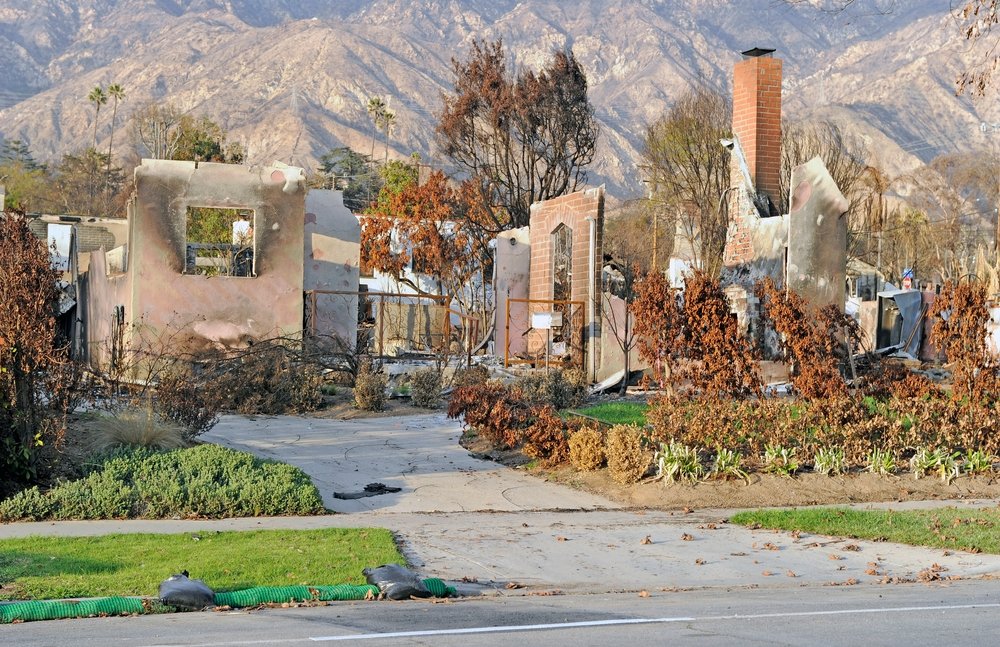
Image of the destruction left behind by the Altadena wildfire which destroyed thousands of homes and businesses in the City of Altadena. PHOTO CREDIT: Philip Pilosian / Shutterstock.com

By Angelica C. Gualpa

U.S. Rep. Julia Brownley (D-Westlake Village, Agoura Hills, Calabasas) this week applauded committee passage of the bipartisan Fixing Emergency Management for Americans (FEMA) Act of 2025 (H.R. 4669), a reform package of legislative federal disaster assistance programs for decades.

The FEMA Act will improve the federal government’s disaster response and recovery programs, strengthen FEMA by restoring its status as a cabinet-level agency, support effective state and local preparedness, and ensure that disaster relief efforts are fast and fair.

U.S. Rep. Julia Brownley

“From the recent wildfires in California to hurricanes and floods across the country, natural disasters are becoming more frequent and more destructive,” said Brownley. “I worked to ensure that the FEMA Act included language from my bills so that disaster displacement assistance and temporary housing assistance reach disaster survivors quickly and to eliminate bureaucratic delays that occur under current law requiring FEMA to determine insurance status prior to delivering aid.”

Among Brownley’s measures included in the legislative package are:

FEMA Temporary Housing Assistance Improvement Act

Through the Assistance for Housing and Other Needs program, FEMA provides temporary housing assistance, including rental assistance, to individuals impacted by Presidentially Declared disasters. However, under current law, FEMA must require survivors to wait for insurance claims to be processed before approving aid, delaying critical support.

Brownley’s legislation would ensure that insurance is not considered a “duplication of benefits” when determining eligibility for temporary housing. This clarification would expedite temporary housing relief, cut red tape, and get families the assistance they need more quickly. 

Disaster Displacement Assistance Improvement Act

In 2024, FEMA launched Displacement Assistance to help survivors who cannot return home after a disaster. This benefit provides up-front funds to cover immediate housing options, such as staying with family or friends, while survivors secure longer-term solutions.

Under current law, insured individuals cannot access this benefit until their insurance claim is resolved, even though most survivors cannot get a decision within the time frame they need help most. Brownley’s bill would fix this gap by clarifying that FEMA disaster displacement assistance is not a “duplication of benefits.” 

If enacted, survivors would be able to access Displacement Assistance immediately, in addition to the $770 Serious Needs Assistance benefit, helping families transition more quickly from shelters to safe and stable housing.

“Families who lose their homes must be able to access help right away, so they can begin to rebuild their lives without unnecessary obstacles. As we’ve seen time and again, our response system must meet these crises with urgency and compassion,” said Brownley.


Leave a Reply

Your email address will not be published. Required fields are marked *

By Angelica C. Gualpa

U.S. Rep. Julia Brownley (D-Westlake Village, Agoura Hills, Calabasas) this week applauded committee passage of the bipartisan Fixing Emergency Management for Americans (FEMA) Act of 2025 (H.R. 4669), a reform package of legislative federal disaster assistance programs for decades.

The FEMA Act will improve the federal government’s disaster response and recovery programs, strengthen FEMA by restoring its status as a cabinet-level agency, support effective state and local preparedness, and ensure that disaster relief efforts are fast and fair.

U.S. Rep. Julia Brownley

“From the recent wildfires in California to hurricanes and floods across the country, natural disasters are becoming more frequent and more destructive,” said Brownley. “I worked to ensure that the FEMA Act included language from my bills so that disaster displacement assistance and temporary housing assistance reach disaster survivors quickly and to eliminate bureaucratic delays that occur under current law requiring FEMA to determine insurance status prior to delivering aid.”

Among Brownley’s measures included in the legislative package are:

FEMA Temporary Housing Assistance Improvement Act

Through the Assistance for Housing and Other Needs program, FEMA provides temporary housing assistance, including rental assistance, to individuals impacted by Presidentially Declared disasters. However, under current law, FEMA must require survivors to wait for insurance claims to be processed before approving aid, delaying critical support.

Brownley’s legislation would ensure that insurance is not considered a “duplication of benefits” when determining eligibility for temporary housing. This clarification would expedite temporary housing relief, cut red tape, and get families the assistance they need more quickly. 

Disaster Displacement Assistance Improvement Act

In 2024, FEMA launched Displacement Assistance to help survivors who cannot return home after a disaster. This benefit provides up-front funds to cover immediate housing options, such as staying with family or friends, while survivors secure longer-term solutions.

Under current law, insured individuals cannot access this benefit until their insurance claim is resolved, even though most survivors cannot get a decision within the time frame they need help most. Brownley’s bill would fix this gap by clarifying that FEMA disaster displacement assistance is not a “duplication of benefits.” 

If enacted, survivors would be able to access Displacement Assistance immediately, in addition to the $770 Serious Needs Assistance benefit, helping families transition more quickly from shelters to safe and stable housing.

“Families who lose their homes must be able to access help right away, so they can begin to rebuild their lives without unnecessary obstacles. As we’ve seen time and again, our response system must meet these crises with urgency and compassion,” said Brownley.