


By Los Angeles County Politics (LACP)
Los Angeles County Supervisor Lindsey Horvath (D-Western and San Fernando Valley areas including Santa Monica, Beverly Hills, West Hollywood, Calabasas, Malibu, Universal City, Sherman Oaks, Panorama City, Pacoima) yesterday announced the County has already found more than $45 million in homeless spending efficiencies as part of the newly created County Department of Homeless Service and Housing (DHSH).
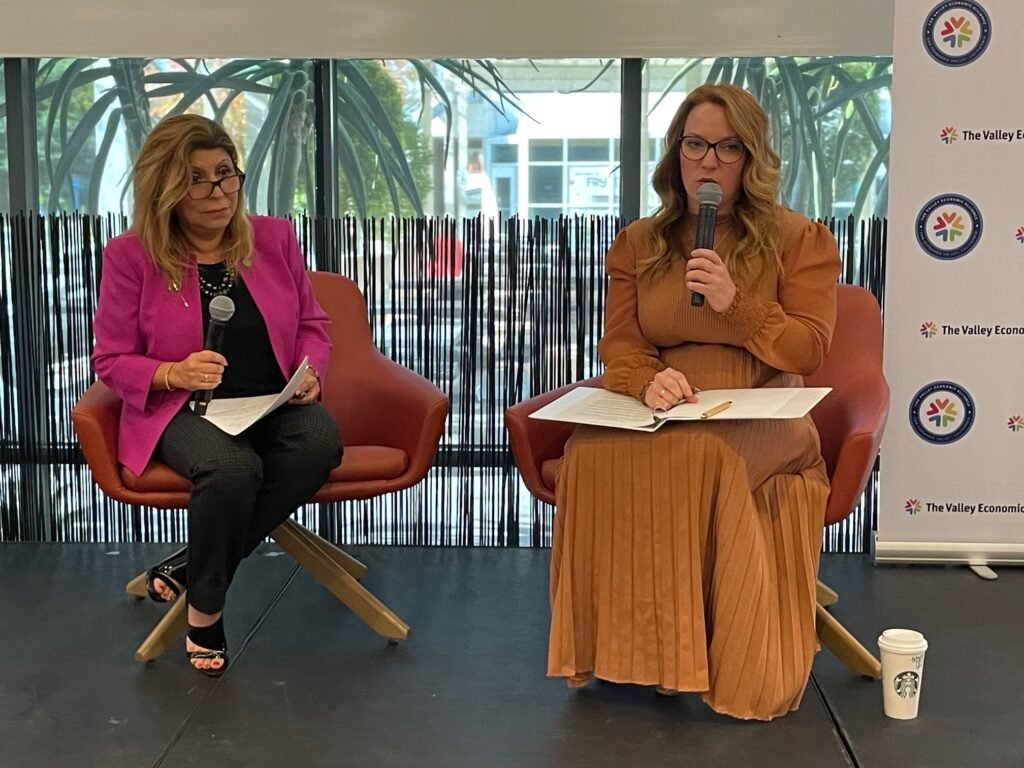
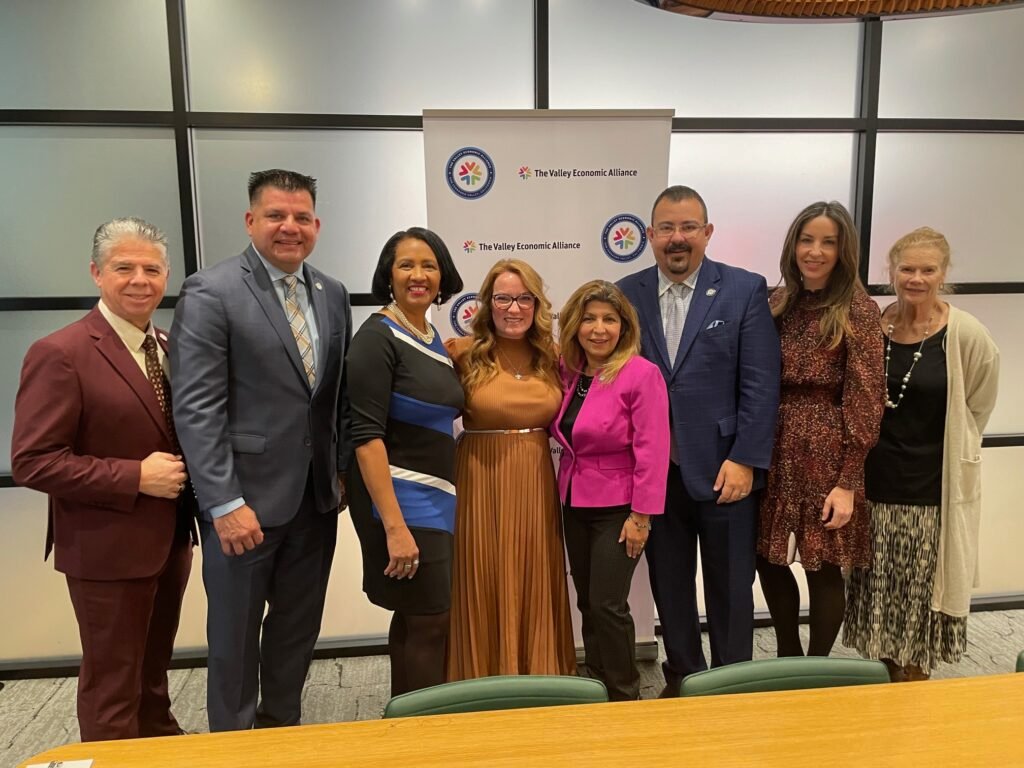
Horvath made the announcement during a fireside chat and audience Q&A at the Valley Economic Alliance’s “Our Region Our Future” event held at California State University, Northridge (CSUN).
“Tomorrow you’re going to hear—so you hear it here first—more than $45 million of efficiencies were found by our new department director when it comes to homelessness spending,” Horvath said. “That’s the kind of accountability people have been looking for.”
The finding vindicates the county’s decision to pull back from the Los Angeles Homeless Services Authority and create a new internal department (DHSH), with greater oversight, she said.
“While it’s being described as a shortfall, what we’re really talking about is how we’re using your tax dollars that you voted to invest—how we’re using them better and smarter,” Horvath explained.
No services for domestic violence victims, youth, or families will be cut, with those beds prioritized and protected, she stressed.
When asked about realistic timelines for addressing street homelessness, Horvath pushed back against distant targets, noting calculations showing current efforts would take more than 300 years at the present pace.
“I’ve learned I’m a wildly impatient person compared to many people’s standards,” she said. “That’s not good enough for me.”
$252 Million in Wildfire Recovery Investments
Pivoting to the wildfire recovery efforts, Horvath said the county has invested more than $52 million directly into households, small businesses, and workers impacted by the 2025 wildfires. A major milestone was creating a disaster recovery financing district for the Third District in under a year, ensuring rebuild investments cycle back into the community, she said.
The supervisor highlighted accelerated investments exceeding $200 million in Water Works District 29, “one of the most fragile water systems serving the region,” including undergrounding work and coordination between telecom and utility companies.
The county plays different roles depending on the affected area—leading recovery in unincorporated communities like Sunset Mesa and Topanga, while supporting efforts in Los Angeles’ Palisades area and Malibu, Horvath said.
Measure G Implementation Plans
Addressing Measure G, the voter-approved governance reform she co-authored, Horvath outlined implementation plans to expand the Board of Supervisors from five to nine members and to create a paid county executive position.
The nine new districts will be discussed during the 2030 redistricting, with all nine seats first appearing on the ballot in 2032. Each supervisor will represent roughly one million people.
“I believe that five people for 10 million [residents], there’s a better way to do it,” Horvath said.
Separating executive authority will bring accountability to countywide issues that have languished under the current system, where each of five supervisors hires and fires every department head.
“Imagine being a department head having to figure out what five bosses want on any given day,” she said.
Horvath supports an elected CEO to focus on countywide priorities, such as replacing Men’s Central Jail and reforming the probation system. The first election for a County CEO is slated for November 7, 2028.
Business Support and Valley Investments
Horvath credited the business community with driving improvements in county operations, including eliminating last-minute Friday agenda changes before Tuesday meetings.
She recounted how a Calabasas restaurant facing a three-week wait for fire department consultation got resolution within 48 hours, emphasizing the need to fix systems when things fall through the cracks. The county also created a business interruption fund for wildfire-impacted businesses.
Addressing Valley representation, Horvath noted that more than 50 percent of Metro’s fiscal budget last year was invested in Valley projects and announced a LACMA partnership to bring arts and culture to Van Nuys Airport.
On Immigration and Customs Enforcement raids impacting Panorama City, she noted the economic effects on workers and businesses: “If we want to rebuild homes at a rapid scale, we have to make sure people feel safe going to work to build those homes.”
The fireside chat was moderated by Valley Economic Alliance Board Chair Armida Colmenares-Stafford, 1st Vice President and Senior Relationship Manager at Columbia Bank.