


By Roberto Barragán and Elias Garcia
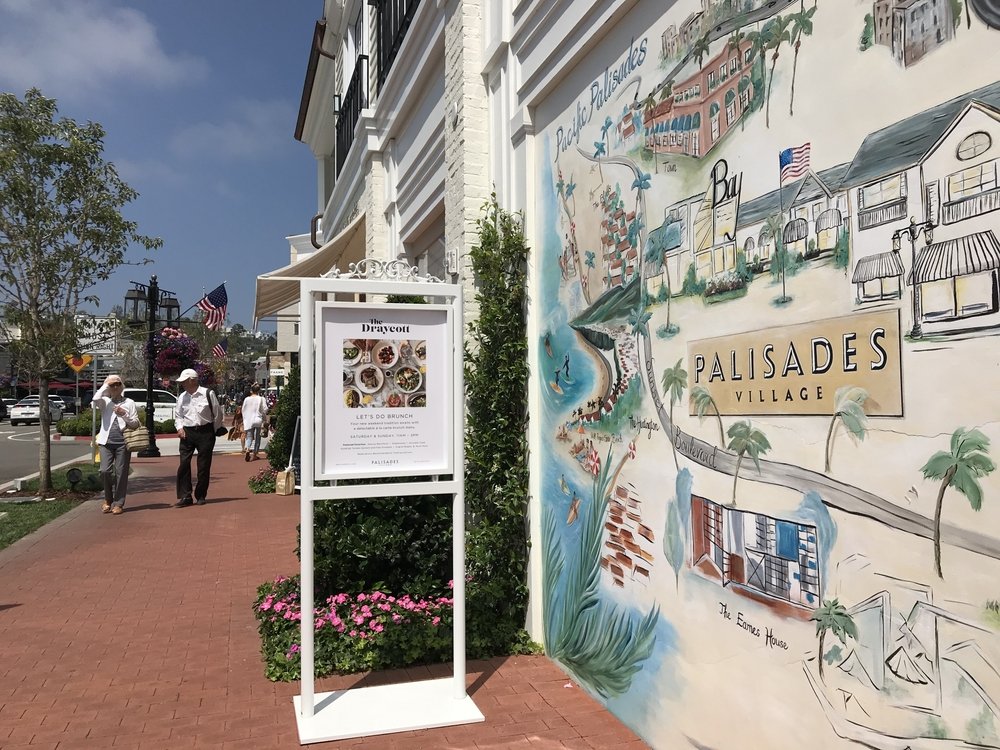
The Palisades wildfire in January 2025 had devastating effects, leaving thousands of small businesses in Pacific Palisades and surrounding communities in urgent need of essential business development services. These services are necessary to support affected entities as they work to rebuild and adapt in new directions, facilitating both stabilization and growth while continuing to serve the residents impacted by the fire.
The primary goals of any recovery strategy for businesses in the Palisades should be to assist the local business community in recovering from the fire’s effects and to prepare for potential future disasters. It is also crucial to ensure positive economic outcomes for the community, ultimately helping business owners and residents improve their financial positions after the disaster.
Resources have been slow to reach businesses in Palisades because many assume small-business owners earn higher incomes than residents. However, the reality is that many small business owners are moderate- to middle-income earners, facing inconsistent insurance and credit challenges in the post-pandemic landscape. The location of these businesses and the associated jobs should not prevent them from receiving the vital assistance they need.

The Palisades Fire burned an area of 22 square miles and affected about 21,000 residents. It also impacted secondary burn areas surrounding the fire zone, covering 43 square miles and home to around 36,000 people. An estimated 2,600 small businesses were destroyed in the Pacific Palisades area, accounting for approximately half of the businesses in the fire zone. About 73% of all businesses in the Palisades’ 90272 zip code were either destroyed or affected by the fire. The surrounding business communities also faced significant damage, with over 1,200 businesses outside the burn zone impacted by evacuations, smoke damage, and closures. Most affected businesses (91%) were microbusinesses, defined as having one to nine employees. These businesses included childcare centers, boutiques, accountants, and therapists, with many reporting annual incomes of less than $250,000.
While the fire and smoke have directly damaged numerous structures, it is important to recognize the resilience of small businesses facing steep income losses. Business-to-business models have experienced a decline in clientele, and foot traffic has noticeably decreased. However, these challenges also provide opportunities for growth and innovation within our community. Together, we can support one another and strengthen our local economy. Let’s rally around our businesses and help them thrive once again!
Since 2002, ICON CDC has been on a remarkable journey, empowering over 25,000 businesses and helping create and preserve more than 8,000 jobs. We are proud to have supported the launch of over 1,000 new enterprises and guided more than 1,400 individuals through our dynamic business development and acceleration programs. In the past year, in response to the challenges posed by the Eaton and Palisades fires, we have taken action to assist over 500 businesses, securing an impressive $50 million in capital to strengthen operations and protect jobs. Our Impacted Workers Program has also provided over $100,000 in grants to support those in need. Additionally, we established Disaster Recovery Centers in Altadena and Santa Monica to ensure that every small business owner can access the recovery resources they deserve. Together, we are building a brighter future for Los Angeles County!
A Palisades Business Recovery Center would offer a variety of services, including technical assistance, access to capital, and construction support for brick-and-mortar businesses displaced from the region’s business corridors. This center would also focus on building and expanding home-based and online business presences while supporting struggling neighboring businesses. This initiative aims to help business owners generate revenue and attract new customers from outside the local area as the Pacific Palisades residential community recovers.
A key component of the center’s assistance will involve developing tailored recovery plans for both tenant businesses and property-owning businesses. This approach will prioritize stabilizing short-term operations while also planning for long-term rebuilding efforts.
Roberto Barragán is the ICON CDC Executive Director, and Elias Garcia is the non-profit’s Policy and Economic Development Director.